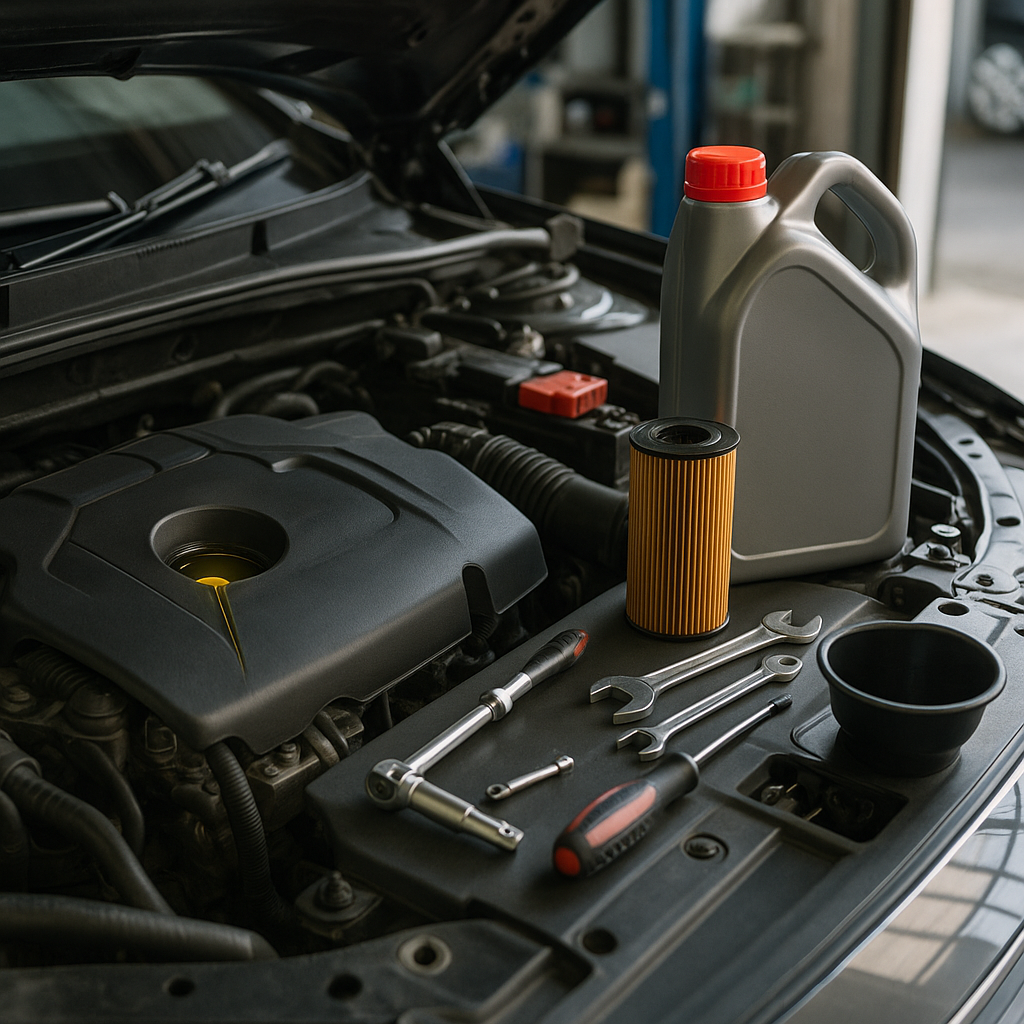
How Often Should You Change Engine Oil In Uk Driving Conditions
In the UK, the frequency of changing your engine oil is crucial for maintaining your vehicle’s performance and longevity. Engine oil lubricates moving parts, reduces friction, and helps to keep the engine clean. However, UK driving conditions can vary widely, affecting how often you should consider an oil change.
UK Driving Conditions Impacting Oil Change Frequency
Living in the UK means experiencing a mix of urban and rural driving, varied weather conditions, and different road types. Each of these factors can influence the condition of your engine oil:
- Urban Driving: Frequent stop-start traffic can lead to oil degradation.
- Rural Driving: Longer journeys at higher speeds may require less frequent changes.
- Weather Conditions: Cold winters can thicken oil, while hot summers can cause it to break down faster.
- Road Conditions: Potholes and rough roads can increase engine stress, affecting oil quality.
Manufacturer Recommendations
Your vehicle’s manufacturer provides specific guidelines on oil change intervals, typically found in the owner’s handbook. Most modern cars suggest changing engine oil every 5,000 to 10,000 miles, or every 6 to 12 months, whichever comes first. However, you may need to adjust this based on your driving habits and conditions.
Signs That Your Engine Oil Needs Changing
It’s essential to be proactive and look for signs that indicate your engine oil may need changing sooner than scheduled:
- Oil Change Light: If this light illuminates on your dashboard, it’s time for a change.
- Dark or Dirty Oil: Check the oil dipstick; if the oil appears dark or gritty, it needs changing.
- Engine Noise: Unusual noises can indicate insufficient lubrication due to old oil.
- Increased Exhaust Emissions: Thick, dirty oil can lead to higher emissions; keep an eye on your MOT results.
Practical Steps to Check Your Engine Oil
Checking your engine oil is a straightforward process that you can do at home. Here’s how:
- Park your car on a level surface and turn off the engine.
- Wait a few minutes for the oil to settle, then pop the bonnet.
- Locate the dipstick, remove it, and wipe it clean with a cloth.
- Reinsert the dipstick, remove it again, and check the oil level against the markers.
- If the oil is below the minimum mark, top it up with the correct type of oil as specified in your owner’s handbook.
Seasonal Considerations
In the UK, seasonal changes can also affect oil performance:
- Winter: Cold temperatures can cause engine oil to thicken. Consider using a winter-grade oil for better performance.
- Summer: Hot weather can lead to faster oil breakdown, necessitating more frequent changes.
Cost Considerations for Oil Changes
The cost of an oil change can vary significantly based on several factors:
- Type of Oil: Synthetic oils tend to be more expensive than conventional oils but offer better protection.
- Service Provider: Main dealers may charge more than independent garages for the same service.
- Additional Services: If you’re having other maintenance work done, it may be more cost-effective to combine services.
On average, you might expect to pay between £30 to £70 for a standard oil change, depending on the factors mentioned above.
When to Book a Mechanic
While regular oil changes can be a DIY task, there are instances when you should consult a mechanic:
- If you notice any of the warning signs mentioned earlier.
- If you are unsure about the type of oil your vehicle requires.
- If your vehicle is approaching the end of its warranty period, and you want to ensure compliance with manufacturer guidelines.
Conclusion
Changing your engine oil regularly is one of the most effective ways to ensure your vehicle runs smoothly and efficiently. By considering the unique driving conditions in the UK and adhering to manufacturer recommendations, you can maintain your car’s performance and extend its lifespan. Regular checks and being aware of warning signs will help you stay proactive about your vehicle’s health.
UK ownership context
Use your owner's handbook and service schedule as the starting point, then adapt the timing to UK stop-start traffic, colder months and the mileage your car actually covers.
For many drivers, the most useful benchmark is not a generic internet interval but the manufacturer schedule, recent MOT advisories and the pattern of local driving the vehicle sees each week.
Useful next steps with Motoryst
Use the tools below to turn this advice into a practical next step.
- Store and organise your service history
- Run a vehicle history check before buying
- Compare warranty cover options
- Estimate current vehicle value
Useful UK references
- DVSA and GOV.UK guidance on MOT preparation
- Check previous MOT advisories and failures
- Use the vehicle owner's handbook and manufacturer service schedule for model-specific intervals, fluids and warning-light guidance.