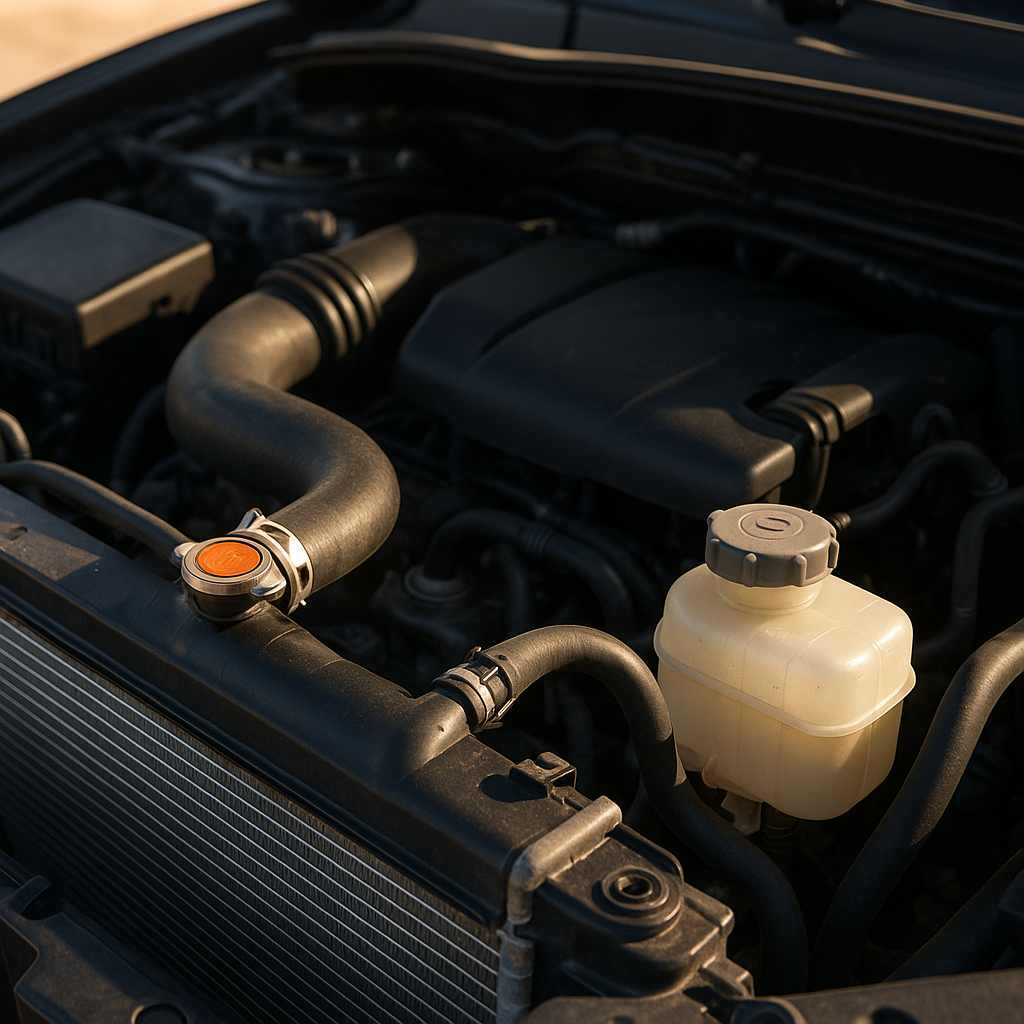
Why a Healthy Cooling System Matters
As temperatures rise during the summer months, your vehicle's cooling system plays a crucial role in preventing overheating. In the UK, where summer can bring unexpected heatwaves, ensuring your cooling system is in top shape is not just about comfort; it’s a matter of safety and reliability. A well-maintained cooling system can help avoid costly repairs and keep your vehicle roadworthy, which is essential for passing the annual MOT inspection.
Understanding the Cooling System
Your car's cooling system consists of several components, including the radiator, water pump, thermostat, and coolant. Together, they regulate the engine temperature, ensuring it operates efficiently. Inadequate maintenance can lead to overheating, engine damage, and increased ownership costs.
Key Checks to Perform This Week
To keep your cooling system in good health, consider these practical checks:
- Coolant Level: Check the coolant reservoir to ensure it’s at the recommended level. Low coolant can lead to overheating.
- Coolant Quality: Inspect the coolant for colour and clarity. It should be bright and free of debris. If it appears rusty or cloudy, it may need replacing.
- Hoses and Connections: Examine the hoses for any signs of wear, cracks, or leaks. Pay attention to clamps and connections; they should be secure.
- Radiator Condition: Look for any signs of damage, such as bent fins or leaks. A clean radiator is vital for effective cooling.
- Thermostat Function: Ensure the thermostat opens and closes correctly. An ineffective thermostat can lead to temperature fluctuations.
Symptoms of Cooling System Problems
Be vigilant for the following symptoms that may indicate an issue with your cooling system:
- Overheating engine temperature gauge.
- Coolant leaks under the vehicle.
- Unusual steam or smoke from the engine bay.
- Unpleasant smells, which could indicate leaking coolant.
- Frequent topping up of coolant.
Actions to Take
If you notice any of the above symptoms or have concerns about your cooling system, take the following actions:
- Top Up Coolant: If the level is low, top it up with a 50/50 mix of coolant and distilled water.
- Flush the System: If your coolant quality is poor, consider flushing the system. This involves draining old coolant and replacing it with fresh fluid, which can be done at a garage for a fee.
- Inspect and Replace Hoses: If you find cracked or worn hoses, replace them. This is a straightforward job for a mechanic.
- Check the Thermostat: If you suspect the thermostat is faulty, have it tested. A faulty thermostat can cause overheating.
UK-Specific Context
In the UK, maintaining your vehicle’s cooling system is not just about performance; it’s also crucial for passing the MOT. The DVSA (Driver and Vehicle Standards Agency) outlines that a vehicle must be in a roadworthy condition, which includes having an effective cooling system. Regular servicing, ideally every 12 months or as per the manufacturer's schedule, can help ensure that your cooling system is functioning correctly and can prevent costly repairs down the line.
When to Book a Mechanic
While many cooling system checks can be performed at home, there are times when professional assistance is essential. Consider booking a mechanic if:
- You notice persistent overheating despite topping up coolant.
- There is significant coolant leakage.
- The engine is making unusual noises.
- There are signs of corrosion or damage to the radiator.
- You are unsure about performing any of the checks or repairs yourself.
Costs for common cooling system repairs can vary widely. For example, a coolant flush may cost between £50 to £100, while replacing a thermostat can range from £100 to £200, depending on the make and model of your vehicle. Always ask for a detailed quote before proceeding with any repairs.
Conclusion
Keeping your cooling system healthy during the summer is essential for maintaining your vehicle's performance and longevity. By regularly checking coolant levels, inspecting hoses, and being aware of potential symptoms of failure, you can help prevent overheating and costly repairs. Always refer to your owner's handbook for specific maintenance guidelines and consult with a trusted mechanic when in doubt.
UK ownership context
UK weather swings, short urban trips and motorway mileage all change how quickly wear shows up, so set your checks around the way the car is actually used.
For many drivers, the most useful benchmark is not a generic internet interval but the manufacturer schedule, recent MOT advisories and the pattern of local driving the vehicle sees each week.
Useful next steps with Motoryst
Use the tools below to turn this advice into a practical next step.
- Store and organise your service history
- Run a vehicle history check before buying
- Compare warranty cover options
- Estimate current vehicle value
Useful UK references
- DVSA and GOV.UK guidance on MOT preparation
- Check previous MOT advisories and failures
- Use the vehicle owner's handbook and manufacturer service schedule for model-specific intervals, fluids and warning-light guidance.