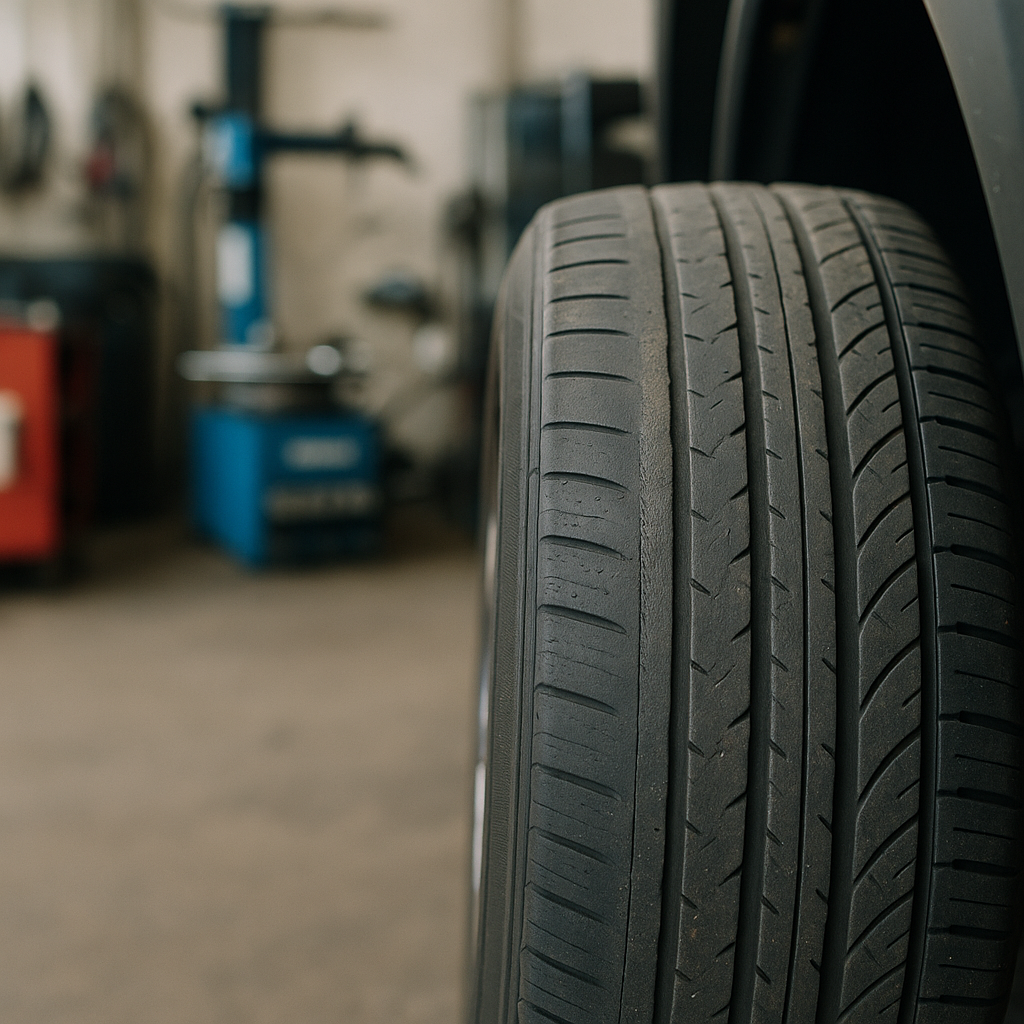
What Causes Uneven Tyre Wear And How To Fix It
Uneven tyre wear is a common issue that can affect the performance and safety of your vehicle. In the UK, where road conditions can vary dramatically with the seasons, recognising the signs of uneven wear and understanding its causes is essential for every driver. Not only can it compromise your vehicle’s handling and fuel efficiency, but it can also lead to costly replacements if not addressed promptly.
Common Causes of Uneven Tyre Wear
Several factors contribute to uneven tyre wear. Here are some of the most prevalent causes:
- Improper Wheel Alignment: Misalignment can cause your tyres to wear unevenly, with one side of the tyre experiencing more friction than the other.
- Incorrect Tyre Pressure: Both over-inflated and under-inflated tyres can lead to uneven wear. Under-inflated tyres wear more on the outer edges, while over-inflated tyres wear down the centre.
- Suspension Issues: Worn or damaged suspension components can lead to uneven weight distribution, affecting tyre contact with the road.
- Driving Habits: Aggressive driving, such as hard cornering and sudden braking, can exacerbate tyre wear.
- Tyre Quality: Poor-quality tyres may not wear evenly due to manufacturing defects or inferior materials.
Symptoms of Uneven Tyre Wear
Being aware of the symptoms of uneven tyre wear can help you catch the problem early. Look out for:
- Visible wear patterns on the tread, such as bald spots or excessive wear on one side.
- Vibrations or shaking while driving, which may indicate alignment or suspension issues.
- Decreased fuel efficiency, which can be a sign of improper tyre pressure or alignment.
- Unusual noises while driving, particularly when turning or braking.
Practical Checks and Actions
If you notice any of the symptoms mentioned, it’s time to take action. Here are some practical steps you can undertake this week:
1. Inspect Your Tyres
Start by examining your tyres for any visible signs of uneven wear. Check the tread depth across the width of the tyre using a tread depth gauge or the 20p test. If the tread is uneven, it’s a clear indication of a problem.
2. Check Tyre Pressure
Use a reliable tyre pressure gauge to check your tyre pressure against the manufacturer's recommended levels, which can usually be found in the owner's handbook or on a sticker inside the driver’s door.
3. Monitor Wheel Alignment
If you suspect misalignment, you can perform a simple test by observing your vehicle’s tracking. Drive in a straight line on a flat road. If your steering wheel is off-centre or the vehicle pulls to one side, it may be time for an alignment check.
4. Review Your Driving Habits
Consider how you drive. If you frequently accelerate hard, brake suddenly, or take corners aggressively, try to adopt smoother driving habits. This can significantly reduce tyre wear.
5. Schedule Regular Maintenance
Consult your owner's manual for the recommended service intervals, including tyre rotation and alignment checks. Regular maintenance is crucial for prolonging tyre life and ensuring roadworthiness, especially before the MOT.
When to Book a Mechanic
If your checks reveal significant issues such as severe misalignment, worn suspension components, or if you're unsure about the condition of your tyres, it’s best to consult a professional mechanic. Additionally, if you notice:
- Tyres with tread depth below 1.6mm, which is the legal limit in the UK.
- Unusual vibrations or noises that persist after checking tyre pressure and alignment.
- Visible damage to the sidewalls or tread patterns that could indicate structural issues.
In the UK, the cost of a wheel alignment typically ranges from £30 to £75, depending on the garage and your vehicle type. Tyre replacement costs can vary widely, from around £50 for budget tyres to over £150 for premium brands. Regular maintenance can save you money in the long run by extending the life of your tyres and improving fuel efficiency.
Seasonal Considerations and Tyre Care
In the UK, seasonal conditions can further impact tyre wear. During winter months, ensure your tyres are suitable for colder temperatures and wet conditions. Consider switching to winter tyres if you frequently drive in harsh weather. Regularly inspect your tyres for damage caused by potholes or debris, especially after winter storms or roadworks.
Conclusion
By understanding the causes of uneven tyre wear and taking proactive steps, you can maintain the safety and efficiency of your vehicle. Regular checks and maintenance not only enhance your driving experience but also contribute to lower ownership costs over time. Remember, a well-maintained vehicle is a safer vehicle.
UK ownership context
If this issue affects visibility, braking, tyres, emissions or warning lights, treat it as a roadworthiness item and sort it before an MOT or any longer journey.
For many drivers, the most useful benchmark is not a generic internet interval but the manufacturer schedule, recent MOT advisories and the pattern of local driving the vehicle sees each week.
Useful next steps with Motoryst
Use the tools below to turn this advice into a practical next step.
- Check compliance and road-use related details
- Store and organise your service history
- Run a vehicle history check before buying
- Compare warranty cover options
Useful UK references
- DVSA and GOV.UK guidance on MOT preparation
- Check previous MOT advisories and failures
- Use the vehicle owner's handbook and manufacturer service schedule for model-specific intervals, fluids and warning-light guidance.