Identifying the Issue: Symptoms of Pulling to One Side
If your car veers to one side when you apply the brakes, it's not just an inconvenience—it can be a serious safety concern. Understanding the symptoms can help you diagnose the problem early and avoid further damage or accidents.
- Car drifts to the left or right when braking
- Uneven brake pad wear
- Vibration or pulsation through the brake pedal
- Increased stopping distance
- Steering wheel feels off-centre
These symptoms can vary in severity, but if you notice any of them, it’s essential to investigate the cause promptly.
Common Causes of Pulling When Braking
Several factors can lead to your vehicle pulling to one side during braking. Here are some of the most common causes:
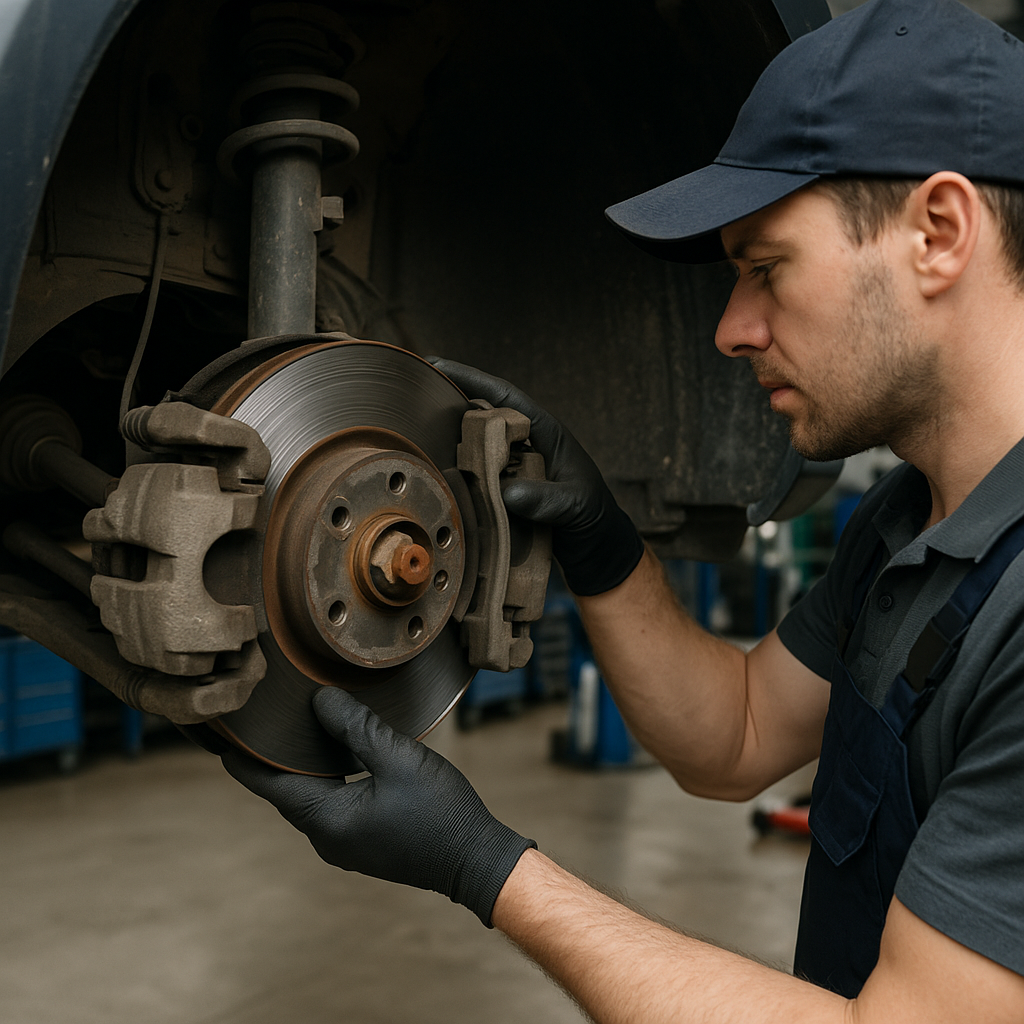
- Brake Pad Issues: Worn or uneven brake pads can cause one wheel to grip more than the other.
- Brake Caliper Problems: A sticking or malfunctioning brake caliper can cause uneven braking force.
- Tyre Pressure Imbalance: Low tyre pressure on one side can lead to uneven braking performance.
- Wheel Alignment Issues: Misaligned wheels can affect how your car behaves when braking.
- Suspension Problems: Worn suspension components can lead to instability and pulling during braking.
Each of these issues can pose serious risks, not just to your vehicle but also to your safety on the road.
Practical Checks You Can Perform
Before heading to a mechanic, there are a few checks you can perform yourself. These steps can help you identify the problem and potentially save on repair costs:
- Inspect the Brake Pads: Look through the wheel spokes to see if the brake pads appear worn or uneven.
- Check Tyre Pressure: Use a pressure gauge to ensure all tyres are inflated to the manufacturer's recommended levels.
- Examine Tyre Condition: Look for uneven wear patterns on the tyres, which can indicate alignment issues.
- Test Brake Functionality: While driving in a safe area, perform a controlled brake test to see if the pulling persists.
These checks are simple but can provide crucial insights into the state of your vehicle.
UK-Specific Context: MOT and Roadworthiness
In the UK, your car must pass an MOT test annually once it reaches three years old. This test assesses the roadworthiness of your vehicle, including the braking system. A vehicle that pulls to one side may fail the MOT if it poses a safety risk. Regular servicing, typically every 12,000 miles or annually, can help catch these issues before they become severe.
Seasonal conditions can also impact braking performance. For instance, wet or icy roads can exacerbate pulling issues. Ensuring your vehicle is in top condition is essential, especially during adverse weather.
When to Book a Mechanic
If you notice your car pulling to one side when braking, it’s advisable to book a mechanic as soon as possible, especially if:
- The pulling becomes more pronounced over time.
- You hear unusual noises when braking.
- You notice a significant change in braking performance.
Mechanics can perform a thorough inspection, typically costing between £50 and £100 for a diagnostic check, depending on the garage. Repairs can vary widely; for instance, replacing brake pads might cost £100 to £300, while more extensive caliper issues could run upwards of £200 to £500.
Conclusion: Prioritising Safety
Driving a vehicle that pulls to one side when braking is a clear indication that something is amiss. By understanding the symptoms and taking proactive measures, you can ensure your car remains safe and roadworthy. Regular checks, timely maintenance, and professional inspections are key to keeping your vehicle in optimal condition.
UK ownership context
Use your owner's handbook and service schedule as the starting point, then adapt the timing to UK stop-start traffic, colder months and the mileage your car actually covers.
For many drivers, the most useful benchmark is not a generic internet interval but the manufacturer schedule, recent MOT advisories and the pattern of local driving the vehicle sees each week.
Useful next steps with Motoryst
Use the tools below to turn this advice into a practical next step.
- Store and organise your service history
- Run a vehicle history check before buying
- Compare warranty cover options
- Estimate current vehicle value
Useful UK references
- DVSA and GOV.UK guidance on MOT preparation
- Check previous MOT advisories and failures
- Use the vehicle owner's handbook and manufacturer service schedule for model-specific intervals, fluids and warning-light guidance.