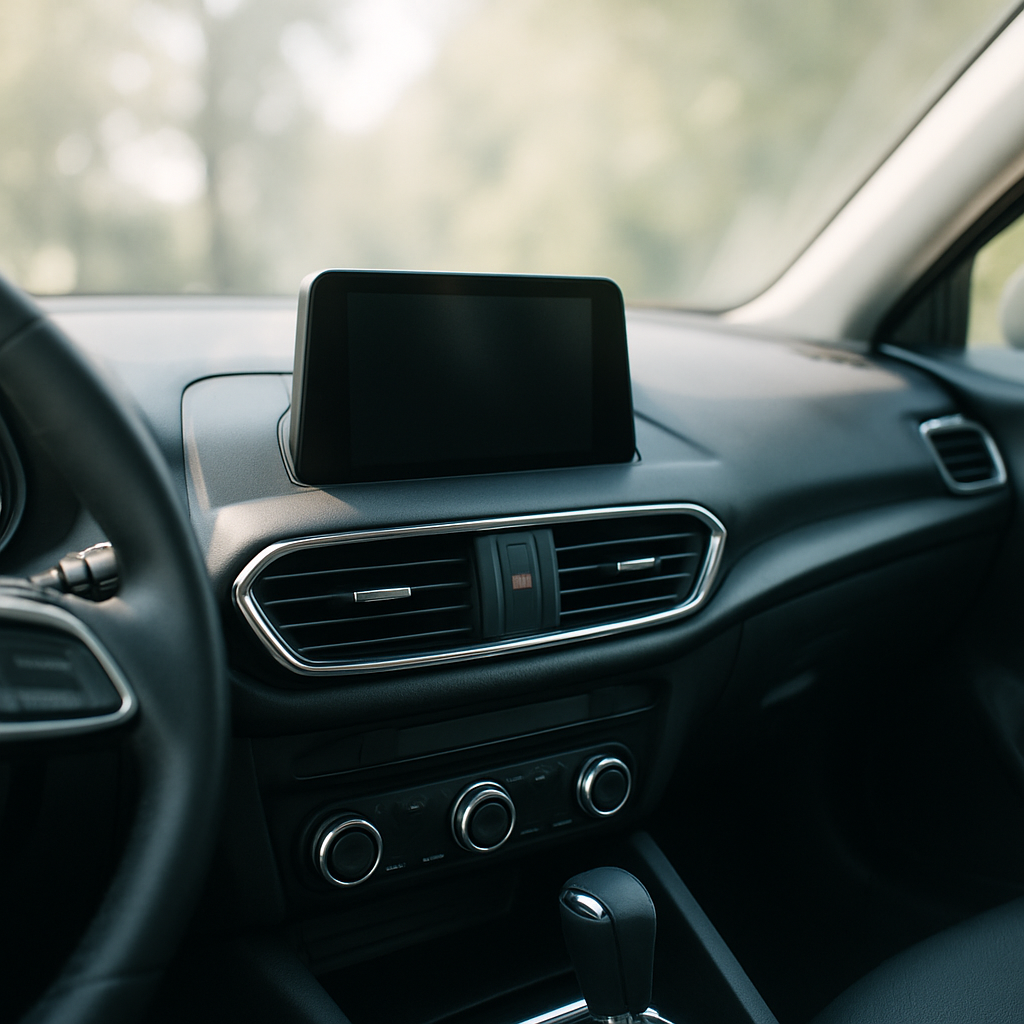
Why Cabin Filters Are Essential
Cabin filters play a crucial role in maintaining the air quality inside your vehicle, directly impacting your comfort and health. These filters are designed to trap dust, pollen, and other airborne particles, ensuring that the air you breathe while driving is clean and fresh.
In the UK, where seasonal changes can lead to varying levels of allergens and pollutants, the importance of a functioning cabin filter cannot be overstated. Whether you're commuting in the city or taking a long drive through the countryside, a clean cabin filter contributes significantly to a pleasant driving experience.
How Cabin Filters Work
Cabin filters are typically located behind the glove compartment or under the dashboard and work by filtering the air that enters the vehicle's interior through the heating, ventilation, and air conditioning (HVAC) system. As air flows through the filter, particles are trapped, preventing them from entering the cabin.
There are two main types of cabin filters:
- Particulate Filters: These filters primarily capture dust, pollen, and other larger particles.
- Activated Carbon Filters: In addition to trapping larger particles, these filters also absorb unpleasant odours and harmful gases, enhancing air quality.
Signs Your Cabin Filter Needs Replacing
Recognising when your cabin filter requires replacement is essential for maintaining air quality. Here are some symptoms that indicate it’s time to check or change your cabin filter:
- Reduced airflow from the heating or air conditioning system.
- Unpleasant smells inside the vehicle.
- Increased dust accumulation on the dashboard and other surfaces.
- Allergy symptoms worsening while driving.
Check Your Filters Regularly
As a responsible UK driver, regularly checking your cabin filter should be part of your vehicle maintenance routine. Most manufacturers recommend inspecting the cabin filter every 12,000 to 15,000 miles, or at least once a year. However, if you frequently drive in urban areas or in heavy traffic, you may need to check it more often.
To check your cabin filter, consult your vehicle’s owner's handbook for specific instructions. This will guide you on how to access the filter and determine its condition. If you're unsure, a quick visit to a local mechanic can provide clarity.
Impact on Comfort and Health
Driving with a clean cabin filter not only enhances comfort but also promotes better health. Poor air quality inside the vehicle can lead to:
- Increased fatigue and discomfort during long drives.
- Aggravation of respiratory issues, especially for those with allergies or asthma.
- Overall reduced driving pleasure due to unpleasant odours and stuffiness.
Seasonal Considerations
In the UK, the changing seasons can significantly affect the air quality both outside and inside your vehicle. During the spring, pollen levels rise, making it essential to have a clean cabin filter to combat allergy symptoms. In winter, damp conditions can lead to mould and mildew, which can also be trapped by the filter.
Moreover, the MOT (Ministry of Transport) test requires vehicles to be roadworthy, and while cabin filters aren't directly checked during an MOT, a well-maintained vehicle contributes to overall performance and safety. Neglecting your cabin filter can lead to other HVAC issues that could complicate your roadworthiness.
Cost Considerations
Replacing a cabin filter is a relatively low-cost maintenance task, often ranging from £15 to £40, depending on the make and model of your vehicle. If you choose to have it replaced by a mechanic, labour costs may vary, typically adding an extra £10 to £30. Always refer to your vehicle’s service schedule for guidance on when to replace the cabin filter.
Remember that while it may be tempting to skip this maintenance step, investing in a new cabin filter can save you money in the long run by preventing potential HVAC system issues and enhancing your driving comfort.
When to Book a Mechanic
If you notice any of the symptoms mentioned earlier, it’s time to consider booking a mechanic. Additionally, if you’re approaching the recommended service interval for your cabin filter or if it’s been over a year since your last replacement, don’t hesitate to schedule an appointment.
When booking, be sure to ask the mechanic about the type of cabin filter suitable for your vehicle, as this can affect both air quality and comfort. A reputable mechanic will provide guidance on the best options available.
Conclusion
In summary, cabin filters are vital components that significantly influence the air quality and comfort of your driving experience. Regular checks and timely replacements can enhance your health and overall enjoyment while driving. Make it a habit to inspect your cabin filter and consult your mechanic for professional advice to ensure your vehicle remains a safe and pleasant environment.
UK ownership context
Use your owner's handbook and service schedule as the starting point, then adapt the timing to UK stop-start traffic, colder months and the mileage your car actually covers.
For many drivers, the most useful benchmark is not a generic internet interval but the manufacturer schedule, recent MOT advisories and the pattern of local driving the vehicle sees each week.
Useful next steps with Motoryst
Use the tools below to turn this advice into a practical next step.
- Store and organise your service history
- Run a vehicle history check before buying
- Compare warranty cover options
- Estimate current vehicle value
Useful UK references
- DVSA and GOV.UK guidance on MOT preparation
- Check previous MOT advisories and failures
- Use the vehicle owner's handbook and manufacturer service schedule for model-specific intervals, fluids and warning-light guidance.