How To Extend The Life Of Your Brake Pads And Discs
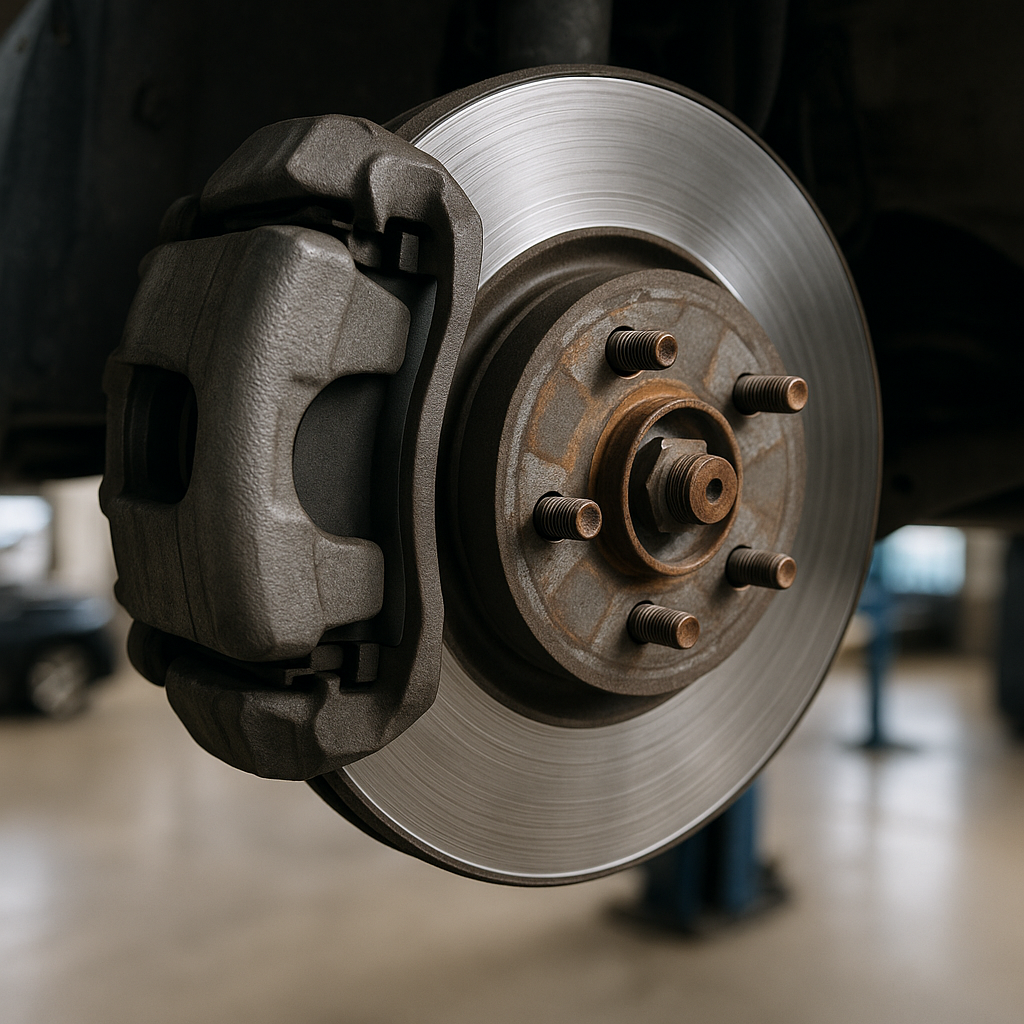
Your vehicle's braking system is crucial for safety, comprising brake pads and discs (or rotors). The brake pads apply friction to the discs to slow down or stop your vehicle. Over time, these components wear out, affecting performance and safety. Regular maintenance can significantly extend their lifespan and save you money in the long run.
Why Brake Maintenance Matters in the UK
In the UK, your vehicle must pass an MOT (Ministry of Transport) test annually if it’s over three years old. A key part of this test is the condition of your brakes. Worn brake pads and discs can lead to failing this inspection, resulting in costly repairs. Additionally, poor brakes can increase stopping distances, especially in wet or icy conditions, which is common in the UK.
Signs of Worn Brake Pads and Discs
Being aware of the symptoms of brake wear can help you take action before it leads to more severe issues. Here are some common indicators:
- Squeaking or squealing noises when braking.
- Grinding sounds that indicate metal-on-metal contact.
- Vibration or pulsation in the brake pedal.
- Reduced braking performance or longer stopping distances.
- Visible wear on the pads or grooves on the discs.
Practical Tips to Extend Brake Lifespan
Taking care of your brakes doesn’t have to be complicated. Here are several practical steps you can take this week:
- Regular Inspections: Check your brake pads and discs at least once a month. Look for wear indicators and ensure the pads are not thinner than 3mm.
- Brake Fluid Maintenance: Ensure your brake fluid is at the correct level and replace it as per your owner's handbook, typically every two years.
- Gentle Driving Habits: Avoid hard braking and accelerate smoothly. This reduces wear on your brake components.
- Keep Your Wheels Clean: Brake dust can accumulate, so clean your wheels regularly to prevent corrosion on the brake components.
- Use Quality Parts: When replacing pads or discs, opt for high-quality components that meet or exceed manufacturer specifications.
Seasonal Considerations
The UK weather can significantly affect your braking system. During winter, wet and icy conditions may require more frequent checks. Ensure your brakes are functioning optimally before the winter months. Similarly, after the wet season, inspect for any rust or corrosion that could have developed.
When to Book a Mechanic
Knowing when to seek professional help is crucial. You should consider booking a mechanic if you notice:
- Any of the symptoms listed above persist or worsen.
- Your brake warning light illuminates on the dashboard.
- You hear unusual sounds that you cannot identify.
- Your vehicle pulls to one side when braking.
- Brake fluid leaks are visible under your vehicle.
Typically, brake pad replacement can cost between £100 to £300 per axle, depending on the vehicle make and model, while disc replacement may range from £150 to £400. These costs can vary based on labour rates and parts quality, so always ask for a detailed quote before proceeding with repairs.
Conclusion
Extending the life of your brake pads and discs is not only about saving money but also about ensuring your safety and that of others on the road. By being proactive and following the tips outlined, you will maintain optimal braking performance and potentially avoid costly repairs in the future. Remember to consult your owner's handbook and adhere to the manufacturer's recommendations for servicing intervals.
UK ownership context
If this issue affects visibility, braking, tyres, emissions or warning lights, treat it as a roadworthiness item and sort it before an MOT or any longer journey.
For many drivers, the most useful benchmark is not a generic internet interval but the manufacturer schedule, recent MOT advisories and the pattern of local driving the vehicle sees each week.
Useful next steps with Motoryst
Use the tools below to turn this advice into a practical next step.
- Check compliance and road-use related details
- Store and organise your service history
- Run a vehicle history check before buying
- Compare warranty cover options
Useful UK references
- DVSA and GOV.UK guidance on MOT preparation
- Check previous MOT advisories and failures
- Use the vehicle owner's handbook and manufacturer service schedule for model-specific intervals, fluids and warning-light guidance.