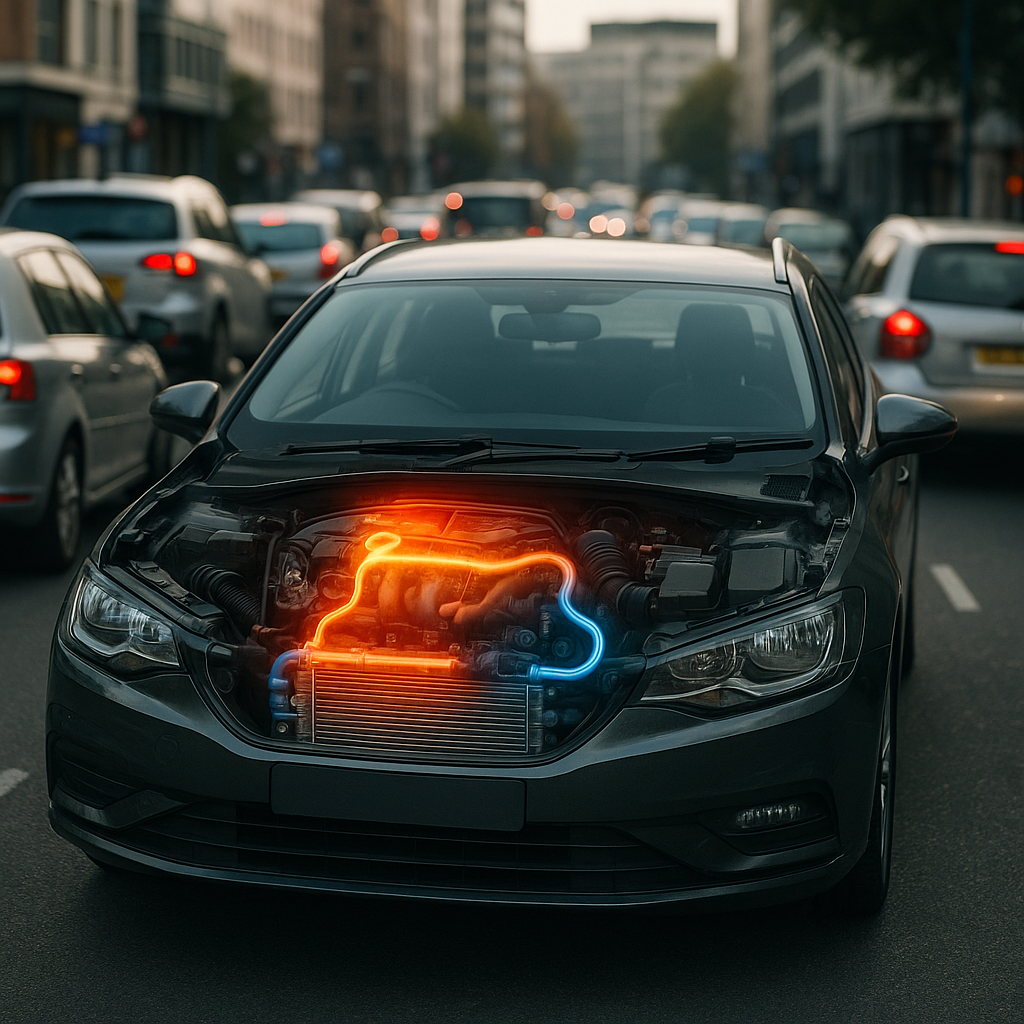
How To Prevent Overheating In Stop-start Traffic
In the UK, stop-start traffic is a common scenario, particularly in urban areas. While modern vehicles are designed to handle various conditions, prolonged idling can lead to overheating, especially during warmer months. Understanding how to manage your vehicle's temperature can save you from costly repairs and ensure your safety on the road.
Why Does Overheating Occur?
Overheating can result from several factors, including:
- Insufficient coolant levels
- Faulty thermostat
- Blocked radiator
- Worn-out water pump
- Broken fan or fan relay
In stop-start traffic, the engine can run hotter than usual due to reduced airflow and prolonged idling. This is particularly concerning in the UK, where fluctuating temperatures can exacerbate the situation.
Regular Checks to Prevent Overheating
To keep your vehicle in optimal condition, perform these checks regularly:
- Coolant Levels: Check your coolant levels weekly. Ensure they're between the minimum and maximum marks on the reservoir. If you're low, top up with the appropriate coolant as specified in your owner's handbook.
- Radiator Condition: Inspect your radiator for any signs of leaks or blockages. A blocked radiator can severely affect cooling efficiency.
- Thermostat Function: Monitor your temperature gauge. If it frequently rises above the normal range, your thermostat might be malfunctioning.
- Water Pump Operation: Listen for unusual noises that could indicate a failing water pump. If you hear grinding or whining, it may need replacement.
These simple checks can prevent overheating and are especially important as you approach your vehicle's MOT. A failing cooling system could lead to a failed test, impacting your roadworthiness and increasing ownership costs.
Driving Tips for Stop-Start Conditions
When caught in stop-start traffic, consider these driving strategies:
- Turn Off Air Conditioning: Air conditioning puts extra strain on the engine. If it's a cooler day, consider rolling down the windows instead.
- Use Neutral: When stationary, shift to neutral rather than keeping your foot on the brake. This can help reduce engine load.
- Monitor Engine Temperature: Keep an eye on the temperature gauge. If it starts to rise, find a safe place to pull over and let the engine cool.
Implementing these driving techniques can significantly reduce the risk of overheating in congested traffic.
Seasonal Considerations
As the seasons change, so do the demands on your vehicle's cooling system. In the summer, high temperatures can lead to increased coolant evaporation. Conversely, in winter, low temperatures can cause coolant to thicken, reducing effectiveness. Regularly check your coolant system before the onset of summer and winter to ensure optimal performance.
When to Book a Mechanic
If you notice any of the following symptoms, it’s time to visit a mechanic:
- Persistent high temperature readings
- Visible coolant leaks under your vehicle
- Unusual noises from the engine when idling
- Steam coming from the engine bay
Costs for repairs can vary widely based on the issue. Basic coolant top-ups may only cost £10-£30, while replacing a water pump or radiator can range from £200 to £600 or more, depending on the vehicle model and labour costs.
Conclusion
Maintaining your vehicle’s cooling system is crucial, especially in stop-start traffic. By performing regular checks, adopting prudent driving habits, and being aware of seasonal changes, you can significantly reduce the risk of overheating. Always refer to your owner's handbook for specific maintenance guidelines and don't hesitate to seek professional help when needed. Keeping your car in top shape not only ensures your safety but also helps keep ownership costs manageable.
UK ownership context
Use your owner's handbook and service schedule as the starting point, then adapt the timing to UK stop-start traffic, colder months and the mileage your car actually covers.
For many drivers, the most useful benchmark is not a generic internet interval but the manufacturer schedule, recent MOT advisories and the pattern of local driving the vehicle sees each week.
Useful next steps with Motoryst
Use the tools below to turn this advice into a practical next step.
- Store and organise your service history
- Run a vehicle history check before buying
- Compare warranty cover options
- Estimate current vehicle value
Useful UK references
- DVSA and GOV.UK guidance on MOT preparation
- Check previous MOT advisories and failures
- Use the vehicle owner's handbook and manufacturer service schedule for model-specific intervals, fluids and warning-light guidance.