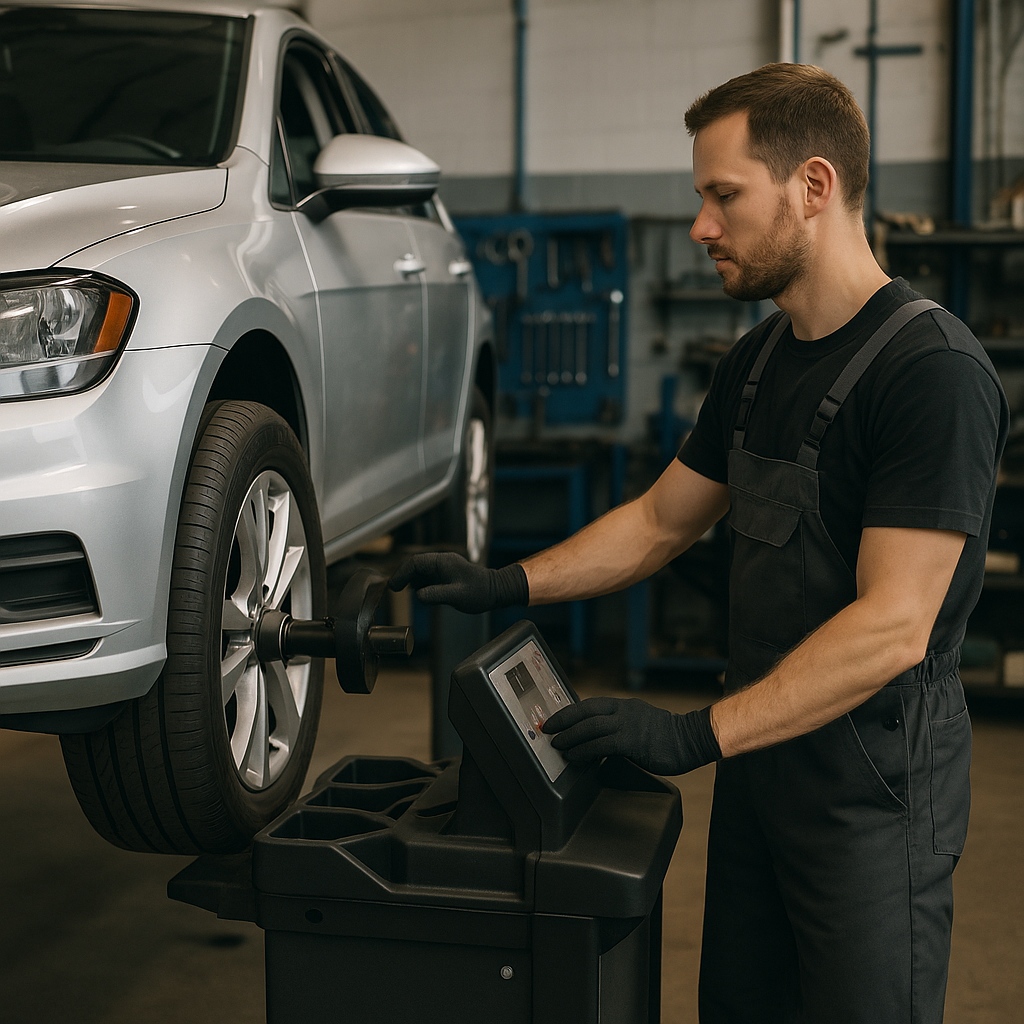
Why Wheel Balancing Matters
Wheel balancing is crucial for a smooth and safe driving experience. When your wheels are not properly balanced, it can lead to a range of issues that affect not only your comfort but also the longevity of your vehicle.
In the UK, where road conditions can vary significantly, ensuring your wheels are balanced is essential for maintaining roadworthiness, especially during the MOT test. Poorly balanced wheels can lead to uneven tyre wear, reduced fuel efficiency, and compromised safety.
Symptoms of Poor Wheel Balancing
There are several signs that indicate your wheels may be out of balance:
- Vibration: If you feel a noticeable vibration in the steering wheel or seat, especially at higher speeds, it could signal an imbalance.
- Uneven Tyre Wear: Inspect your tyres for uneven tread wear patterns. If one side is wearing faster than the other, it may be due to poor balancing.
- Steering Issues: Difficulty in steering or a tendency for the vehicle to pull to one side can be a result of imbalanced wheels.
- Noisy Ride: Excessive noise from the tyres while driving can also indicate that they are not balanced properly.
How Poor Wheel Balancing Affects Your Drive
Driving with unbalanced wheels can have several negative effects on your vehicle and your driving experience:
- Increased Tyre Wear: Unbalanced wheels can cause tyres to wear unevenly, leading to premature replacement. Regular checks can help avoid this.
- Reduced Fuel Efficiency: An imbalance increases rolling resistance, which can lead to higher fuel consumption.
- Compromised Handling: Poor wheel balance can affect your vehicle's handling, making it less responsive and harder to control in emergency situations.
- Increased Strain on Suspension: The suspension system may be subjected to additional stress, leading to potential failures and costly repairs.
Practical Checks You Can Do This Week
Here are some practical steps you can take to check your wheel balance and maintain your vehicle:
- Visual Inspection: Regularly check your tyres for any signs of uneven wear or damage.
- Vibration Check: Pay attention to any vibrations while driving, especially at speeds over 50 mph.
- Pressure Check: Ensure that all tyres are inflated to the manufacturer's recommended pressure, as improper inflation can exacerbate balance issues.
- Alignment Check: If you notice your vehicle pulling to one side, consider getting a wheel alignment check, as this can also affect balance.
UK-Specific Context
In the UK, regular vehicle maintenance is not just a good practice but a legal requirement. The MOT test checks the roadworthiness of your vehicle, including tyre condition and balance. Ensuring your wheels are balanced can help you pass your MOT without issues.
Seasonal conditions, such as wet or icy roads, can also exacerbate the effects of poor wheel balancing. Therefore, it’s wise to have your wheels balanced during seasonal tyre changes, typically in spring and autumn.
When to Book a Mechanic
If you notice any of the symptoms mentioned earlier, it’s crucial to book an appointment with a qualified mechanic. Here are some specific situations when you should consider seeking professional help:
- If vibrations persist even after checking tyre pressure and conducting a visual inspection.
- If you notice significant uneven tyre wear patterns.
- If your vehicle has been in an accident or hit a pothole, which may have affected wheel balance.
- If your steering feels loose or unresponsive.
Cost Considerations
The cost of wheel balancing in the UK typically ranges from £10 to £30 per wheel, depending on the garage and location. If your tyres need to be replaced due to uneven wear caused by poor balancing, this can significantly increase your costs. Tyre prices vary widely based on size and brand, so it’s important to factor in these potential expenses during your maintenance budget.
Consult your vehicle’s owner’s handbook for recommended service intervals and maintenance tips. Regular checks and timely interventions can save you money in the long run, ensuring your vehicle remains safe and efficient on the road.
UK ownership context
Use your owner's handbook and service schedule as the starting point, then adapt the timing to UK stop-start traffic, colder months and the mileage your car actually covers.
For many drivers, the most useful benchmark is not a generic internet interval but the manufacturer schedule, recent MOT advisories and the pattern of local driving the vehicle sees each week.
Useful next steps with Motoryst
Use the tools below to turn this advice into a practical next step.
- Store and organise your service history
- Run a vehicle history check before buying
- Compare warranty cover options
- Estimate current vehicle value
Useful UK references
- DVSA and GOV.UK guidance on MOT preparation
- Check previous MOT advisories and failures
- Use the vehicle owner's handbook and manufacturer service schedule for model-specific intervals, fluids and warning-light guidance.