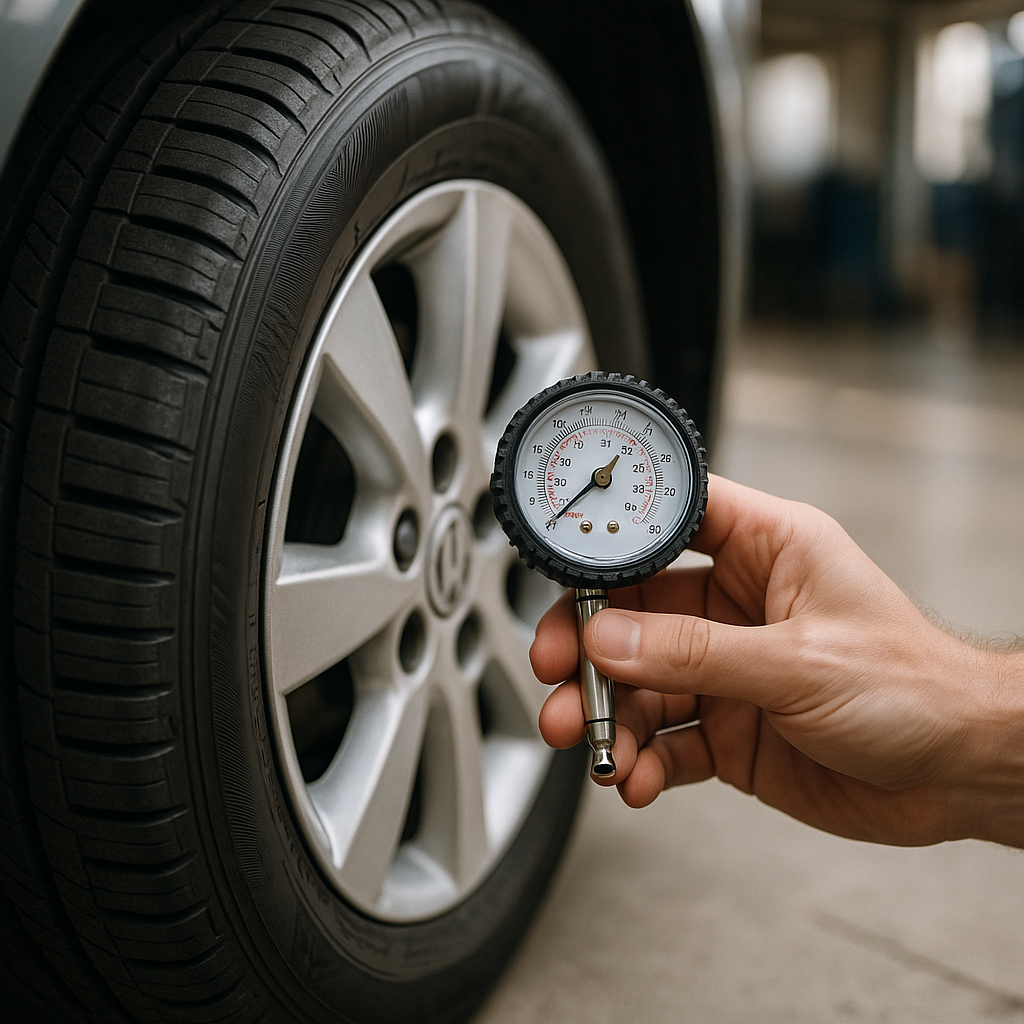
The Importance of Correct Tyre Pressure
Maintaining the correct tyre pressure is crucial for both fuel economy and safety. Under-inflated or over-inflated tyres can lead to a variety of issues that not only affect your vehicle's performance but also its roadworthiness. In the UK, where the weather can be unpredictable, ensuring your tyres are properly inflated is essential for safe driving.
How Tyre Pressure Affects Fuel Economy
Tyre pressure has a direct relationship with fuel consumption. When tyres are under-inflated, they create more rolling resistance, which means your engine has to work harder to keep the vehicle moving. This increased effort translates to higher fuel consumption.
According to the DVSA, driving on under-inflated tyres can result in a fuel economy decrease of up to 3% for every 1 PSI drop in pressure. Therefore, keeping your tyres at the manufacturer-recommended pressure can lead to significant savings over time.
Safety Concerns Linked to Tyre Pressure
In addition to affecting fuel economy, incorrect tyre pressure can compromise safety. Tyres that are not inflated to the correct level can lead to:
- Poor handling and reduced grip on the road
- Increased braking distance
- Higher risk of blowouts
- Uneven tyre wear, leading to premature replacement
These factors can be especially critical during adverse weather conditions, such as rain or snow, where traction is essential. A well-maintained tyre pressure ensures that your vehicle responds appropriately in various driving conditions.
Practical Checks for Tyre Pressure
To keep your tyres in optimal condition, conduct regular checks. Here’s how you can do this effectively:
- Use a reliable tyre pressure gauge to measure the pressure when the tyres are cold.
- Refer to your vehicle's owner’s handbook for the recommended pressure levels, which are often found on a sticker inside the driver’s door frame.
- Check the pressure at least once a month and before long journeys.
- Inspect the tyres visually for signs of wear or damage.
In the UK, with the requirement for annual MOT tests, ensuring your tyres are in good condition can help you pass your inspection with ease. Tyres with incorrect pressure can lead to a failed MOT due to safety concerns.
Seasonal Considerations
Seasonal changes can affect tyre pressure. For example, colder temperatures can cause the air inside your tyres to contract, leading to lower pressure. It’s advisable to check your tyre pressure more frequently during winter months. Conversely, warmer weather can increase tyre pressure, so regular monitoring is essential to avoid over-inflation.
Cost Implications of Incorrect Tyre Pressure
The cost of running a vehicle with incorrect tyre pressure can add up. Aside from the increased fuel costs, you may also face additional expenses due to:
- Frequent tyre replacements due to uneven wear
- Increased maintenance costs from additional strain on the suspension and braking systems
- Potential accidents or incidents resulting in repair costs
Investing in a good quality tyre pressure gauge, which typically costs between £10 to £30, can help you monitor your tyre pressure effectively. Regular maintenance can save you money in the long run by enhancing fuel efficiency and reducing wear and tear.
When to Book a Mechanic
If you notice any of the following signs, it’s time to consult a mechanic:
- Unusual vibrations or pulling to one side while driving
- Visible damage or bulges on the tyre surface
- Significant changes in fuel economy that cannot be explained
- Tyres that consistently lose pressure even after being inflated
A professional inspection can help identify underlying issues that may not be immediately visible. Depending on the repairs needed, costs can vary widely, but a basic tyre inspection typically ranges from £20 to £50, while tyre replacements can cost anywhere from £50 to £150 per tyre, depending on the make and model.
Conclusion
Maintaining the correct tyre pressure is a simple yet vital aspect of vehicle ownership that can significantly enhance your fuel economy and safety on the road. By regularly checking your tyre pressure and keeping them within the recommended limits, you can ensure a smoother, safer driving experience while saving money on fuel and maintenance costs. Stay proactive and make tyre pressure checks a part of your regular vehicle maintenance routine.
UK ownership context
If this issue affects visibility, braking, tyres, emissions or warning lights, treat it as a roadworthiness item and sort it before an MOT or any longer journey.
For many drivers, the most useful benchmark is not a generic internet interval but the manufacturer schedule, recent MOT advisories and the pattern of local driving the vehicle sees each week.
Useful next steps with Motoryst
Use the tools below to turn this advice into a practical next step.
- Check compliance and road-use related details
- Store and organise your service history
- Run a vehicle history check before buying
- Compare warranty cover options
Useful UK references
- DVSA and GOV.UK guidance on MOT preparation
- Check previous MOT advisories and failures
- Use the vehicle owner's handbook and manufacturer service schedule for model-specific intervals, fluids and warning-light guidance.