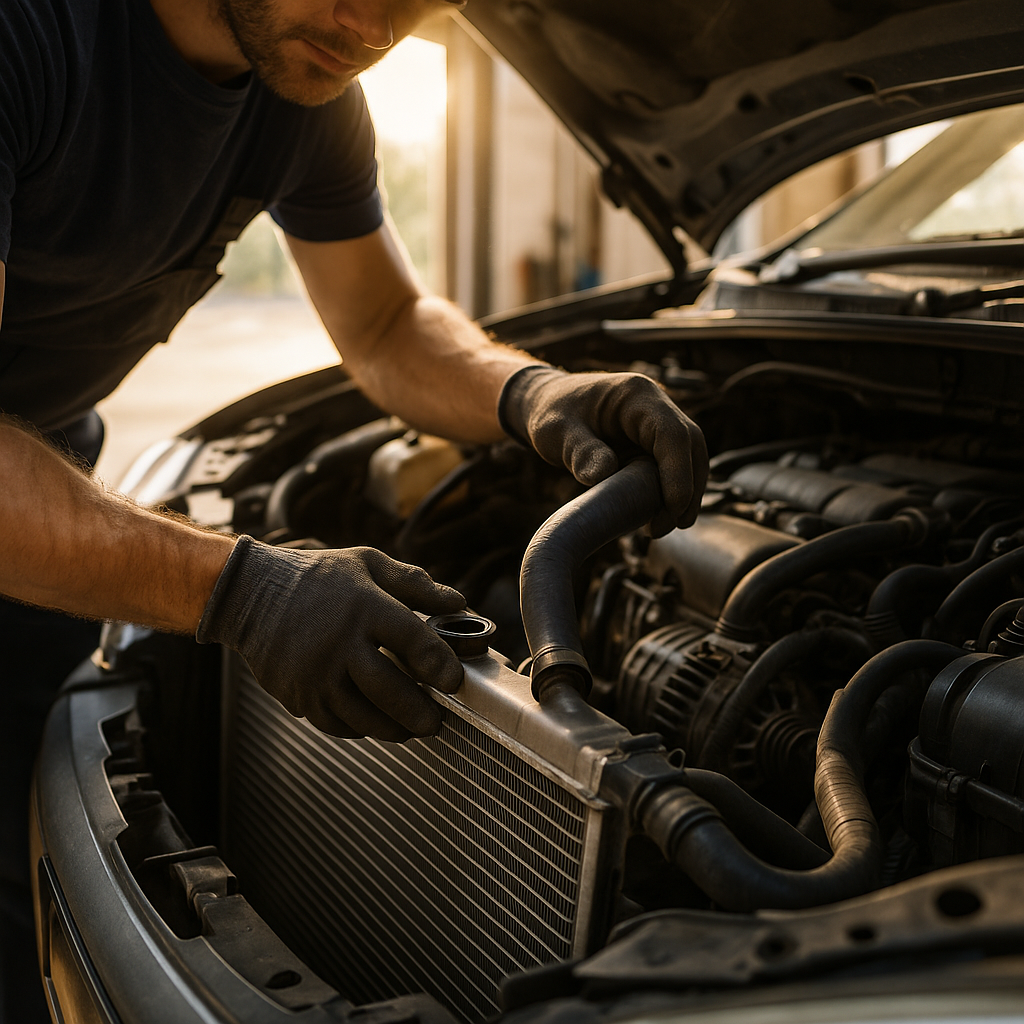
The Importance of a Healthy Cooling System
As the summer heat intensifies, ensuring your vehicle’s cooling system is in top condition becomes crucial. Overheating can lead to severe engine damage, resulting in costly repairs and potentially failing your next MOT. The cooling system plays a vital role in maintaining engine temperature, especially during long drives or in stop-and-go traffic typical of summer outings.
In the UK, the summer months can see temperatures rising, making it essential to be proactive about your car's health. Regular checks and maintenance can prevent breakdowns and enhance your vehicle's longevity, as well as improve fuel efficiency.
Key Components of the Cooling System
Your car's cooling system consists of several critical components:
- Radiator: Dissipates heat from the coolant.
- Water Pump: Circulates coolant throughout the engine.
- Thermostat: Regulates the flow of coolant based on temperature.
- Hoses: Transport coolant to and from the engine and radiator.
- Coolant Reservoir: Holds excess coolant for the system.
Practical Checks for Your Cooling System
To keep your cooling system running smoothly during the summer, perform the following checks:
- Check Coolant Levels: Make sure the coolant reservoir is filled to the recommended level. Low coolant can lead to overheating.
- Inspect Hoses: Look for any signs of wear, cracks, or leaks in the hoses. Replace any damaged hoses immediately.
- Examine the Radiator: Ensure the radiator is free from debris and that the fins are not bent. A clean radiator is essential for efficient heat dissipation.
- Test the Thermostat: If the engine is overheating, the thermostat may be stuck closed. A mechanic can test this easily.
- Check for Leaks: Look for puddles of coolant under your car. If you notice any, it’s time to investigate further.
Symptoms of a Failing Cooling System
Be vigilant for signs that your cooling system may be struggling:
- Engine temperature gauge reading higher than normal.
- Coolant warning light illuminated on the dashboard.
- Sweet smell of coolant inside or outside the vehicle.
- Steam rising from under the bonnet.
- Unusual noises from the engine, such as gurgling or hissing.
If you notice any of these symptoms, it’s imperative to act quickly to avoid further damage.
Steps to Take This Week
Here are actionable steps you can take this week to ensure your cooling system remains in good health:
- Check your coolant levels and top up if necessary, using the correct type of coolant as specified in your owner's handbook.
- Inspect all hoses for signs of wear or leaks and replace them if needed.
- Flush the cooling system if it hasn't been done in the last two years. This helps remove any sludge or deposits that can impair efficiency.
- Consider scheduling a professional coolant system inspection, especially if your car is due for a service.
Understanding UK Regulations and Service Intervals
In the UK, maintaining your vehicle’s cooling system is not only a matter of performance but also of compliance with roadworthiness standards set by the DVSA. Regular servicing, typically every 12,000 miles or annually, includes checks on the cooling system. If your vehicle is approaching its MOT, ensure that the cooling system is functioning properly, as overheating can be a reason for a failed test.
Additionally, pay attention to the manufacturer's service schedule, which can provide guidance on when to replace components such as the water pump or thermostat.
When to Book a Mechanic
If you encounter any of the following situations, it’s time to consult a mechanic:
- Persistent overheating despite coolant level checks.
- Visible leaks that you cannot trace or fix yourself.
- Unusual sounds from the engine that could indicate a failing water pump.
- Dashboard warning lights that remain illuminated after checking the coolant levels.
Mechanics typically charge between £50 to £100 per hour for labour, with costs varying depending on the complexity of the issue and the garage's location. A full cooling system inspection might take one to two hours, depending on the findings.
Conclusion
By taking proactive steps to maintain your cooling system, you can prevent overheating and ensure your vehicle remains reliable throughout the summer months. Regular checks and timely interventions can save you money and hassle in the long run. Remember, a well-maintained cooling system not only keeps your engine happy but also contributes to a smoother, more efficient ride.
UK ownership context
UK weather swings, short urban trips and motorway mileage all change how quickly wear shows up, so set your checks around the way the car is actually used.
For many drivers, the most useful benchmark is not a generic internet interval but the manufacturer schedule, recent MOT advisories and the pattern of local driving the vehicle sees each week.
Useful next steps with Motoryst
Use the tools below to turn this advice into a practical next step.
- Store and organise your service history
- Run a vehicle history check before buying
- Compare warranty cover options
- Estimate current vehicle value
Useful UK references
- DVSA and GOV.UK guidance on MOT preparation
- Check previous MOT advisories and failures
- Use the vehicle owner's handbook and manufacturer service schedule for model-specific intervals, fluids and warning-light guidance.