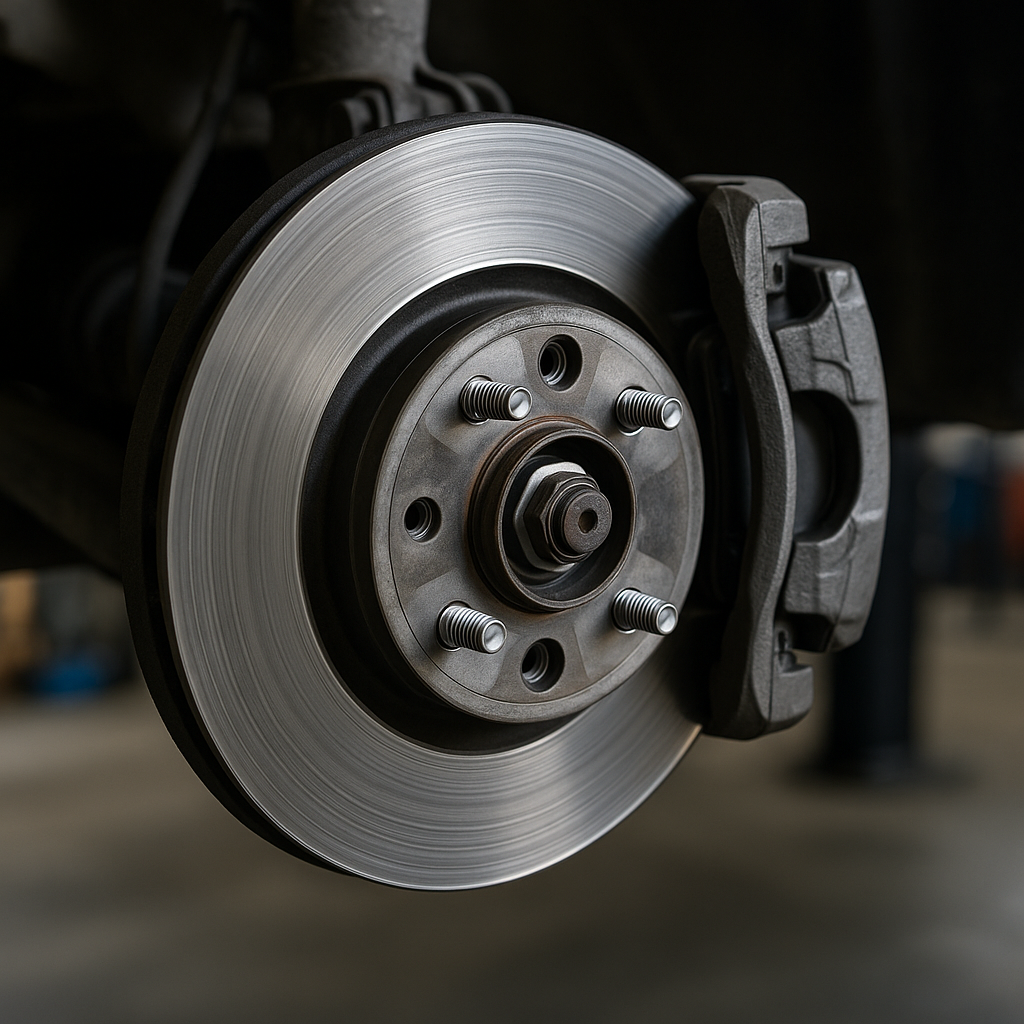
How To Extend The Life Of Your Brake Pads And Discs
Brake pads and discs are crucial components of your vehicle's braking system. They endure significant wear and tear, especially in urban driving conditions where frequent stops are necessary. In the UK, where road conditions can vary dramatically with the seasons, understanding how to extend the life of these components is essential for safety and cost-effectiveness.
Regular maintenance not only ensures your vehicle passes its MOT but also enhances road safety. The DVSA emphasises the importance of effective braking systems, making it vital for drivers to keep an eye on their brake components.
Practical Tips for Extending Brake Life
Here are several actionable steps you can take to prolong the lifespan of your brake pads and discs:
- Regular Inspections: Check your brakes at least once a month. Look for any signs of wear, such as grooves in the discs or uneven wear on the pads.
- Brake Fluid Check: Ensure your brake fluid is at the appropriate level. Low fluid can lead to overheating and faster wear.
- Avoid Hard Braking: Try to anticipate stops and brake gently. Hard braking generates excess heat, which can warp discs and wear pads faster.
- Maintain Cleanliness: Keep your wheels and brake components clean from dirt and debris, which can cause premature wear.
Signs of Worn Brake Pads and Discs
Being aware of warning signs can save you from more costly repairs down the line. Look out for:
- Squeaking or Grinding Noise: This is often a clear indication that your brake pads are worn and need replacement.
- Vibration When Braking: If you feel a pulsing sensation when applying the brakes, your discs may be warped.
- Reduced Responsiveness: If your braking response feels sluggish or requires more pressure, it could indicate wear.
- Warning Lights: Pay attention to dashboard alerts related to your braking system.
Seasonal Considerations
The UK experiences varied weather conditions that can affect brake performance. During winter, wet and icy roads can lead to increased stopping distances, making it essential to ensure your brakes are in top condition. In summer, high temperatures can cause brake fade, where the braking efficiency decreases due to overheating.
Additionally, during the autumn months, fallen leaves can create slippery conditions. Regularly checking your brakes before the changing seasons can help you stay safe on the roads.
Cost Implications of Brake Maintenance
Maintaining your brakes can save you money in the long run. The cost of brake pads replacement typically ranges from £50 to £150 per axle, depending on your vehicle’s make and model. Disc replacements can add another £100 to £300 per axle. Ignoring wear can lead to more severe damage, resulting in costly repairs.
Refer to your vehicle’s owner's handbook for specific service intervals and recommendations tailored to your model. Following the manufacturer's guidelines can help you avoid premature wear and ensure optimal performance.
When to Book a Mechanic
It’s crucial to know when to seek professional help for your braking system. Consider booking a mechanic if you notice:
- Unusual noises when braking.
- Vibrations or pulsations in the brake pedal.
- Warning lights indicating a brake issue.
- Significantly reduced braking performance.
Regular servicing by a qualified mechanic can help identify potential issues before they escalate. Most garages offer brake inspections as part of their service packages, so don’t hesitate to ask during your next service appointment.
Conclusion
By following these practical tips and being vigilant about your vehicle's braking system, you can extend the life of your brake pads and discs. Regular maintenance not only enhances safety but also contributes to lower ownership costs. Always refer to reliable sources like your owner's handbook or DVSA guidelines for the best practices tailored to your vehicle.
UK ownership context
If this issue affects visibility, braking, tyres, emissions or warning lights, treat it as a roadworthiness item and sort it before an MOT or any longer journey.
For many drivers, the most useful benchmark is not a generic internet interval but the manufacturer schedule, recent MOT advisories and the pattern of local driving the vehicle sees each week.
Useful next steps with Motoryst
Use the tools below to turn this advice into a practical next step.
- Check compliance and road-use related details
- Store and organise your service history
- Run a vehicle history check before buying
- Compare warranty cover options
Useful UK references
- DVSA and GOV.UK guidance on MOT preparation
- Check previous MOT advisories and failures
- Use the vehicle owner's handbook and manufacturer service schedule for model-specific intervals, fluids and warning-light guidance.