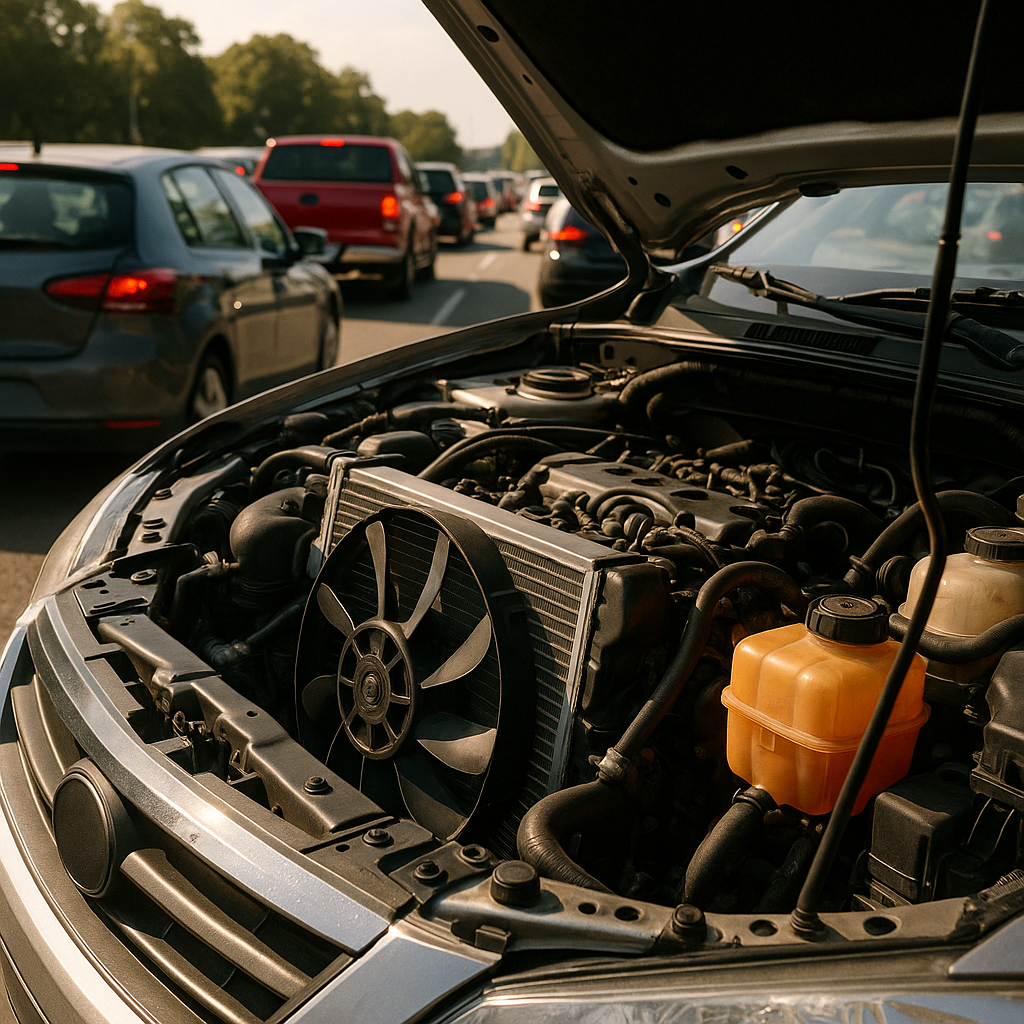
How To Prevent Overheating In Stop-start Traffic
Driving in stop-start traffic can be a significant strain on your vehicle, particularly in the warmer months. The constant idling and slow speeds can lead to overheating, especially if your car’s cooling system isn’t functioning optimally. In the UK, where traffic congestion is common, it’s essential to understand how to keep your engine cool.
Overheating not only affects your car's performance but can also lead to costly repairs and potential breakdowns. Regular maintenance checks, especially before the summer season, can help mitigate these risks.
Key Checks to Prevent Overheating
To ensure your vehicle is prepared for stop-start traffic, perform these essential checks regularly:
- Coolant Level: Check the coolant reservoir weekly, particularly before long drives. The coolant should be between the minimum and maximum marks.
- Radiator Inspection: Inspect the radiator for any signs of leaks or damage. A well-functioning radiator is crucial for effective cooling.
- Thermostat Function: Ensure the thermostat opens and closes correctly. A faulty thermostat can cause overheating.
- Fans and Belts: Listen for unusual noises from the cooling fans and check that the drive belts are in good condition without cracks or fraying.
Symptoms of Overheating
Being aware of the signs of overheating can help you act quickly and avoid serious damage. Look out for:
- Temperature gauge rising above the normal range.
- Steam or smoke coming from the engine bay.
- Unusual smells, such as burning oil or coolant.
- Warning lights on the dashboard indicating overheating.
Practical Tips for Driving in Stop-Start Traffic
While you can’t always avoid stop-start traffic, there are several strategies you can employ to help prevent overheating:
- Use Air Conditioning Wisely: Air conditioning can increase engine load. Use it sparingly and consider using the vehicle’s ventilation system instead.
- Turn Off the Engine: If you anticipate being stationary for more than a minute or two, consider turning off the engine to reduce heat build-up.
- Monitor Engine Temperature: Keep an eye on the temperature gauge and be prepared to pull over if it starts to rise.
Seasonal Considerations
In the UK, seasonal changes can impact your vehicle's cooling system. During summer months, ensure that:
- You check coolant levels more frequently, as they can evaporate faster in hot weather.
- Your air conditioning system is serviced, as it plays a role in managing engine temperature.
Conversely, in winter, ensure that your coolant is appropriate for lower temperatures to prevent freezing.
When to Book a Mechanic
If you notice any of the symptoms mentioned above, it’s crucial to seek professional help. Additionally, consider booking a mechanic if:
- Your vehicle is due for a service and hasn’t been checked in over 12 months.
- You have recently replaced parts of the cooling system but are still experiencing issues.
- Your vehicle’s MOT is approaching, and you want to ensure it’s roadworthy.
Typical costs for a diagnostic check can range from £50 to £100, depending on the garage. If repairs are needed, costs can vary widely based on parts and labour, so it’s advisable to get quotes from several mechanics.
Conclusion
Preventing overheating in stop-start traffic is a crucial aspect of vehicle maintenance, especially for UK drivers facing congested roads. By conducting regular checks, recognising symptoms, and employing practical driving strategies, you can help ensure your vehicle remains in optimal condition. Always refer to your owner’s handbook for specific guidelines related to your car model, and don’t hesitate to consult a professional if you encounter issues.
UK ownership context
Use your owner's handbook and service schedule as the starting point, then adapt the timing to UK stop-start traffic, colder months and the mileage your car actually covers.
For many drivers, the most useful benchmark is not a generic internet interval but the manufacturer schedule, recent MOT advisories and the pattern of local driving the vehicle sees each week.
Useful next steps with Motoryst
Use the tools below to turn this advice into a practical next step.
- Store and organise your service history
- Run a vehicle history check before buying
- Compare warranty cover options
- Estimate current vehicle value
Useful UK references
- DVSA and GOV.UK guidance on MOT preparation
- Check previous MOT advisories and failures
- Use the vehicle owner's handbook and manufacturer service schedule for model-specific intervals, fluids and warning-light guidance.