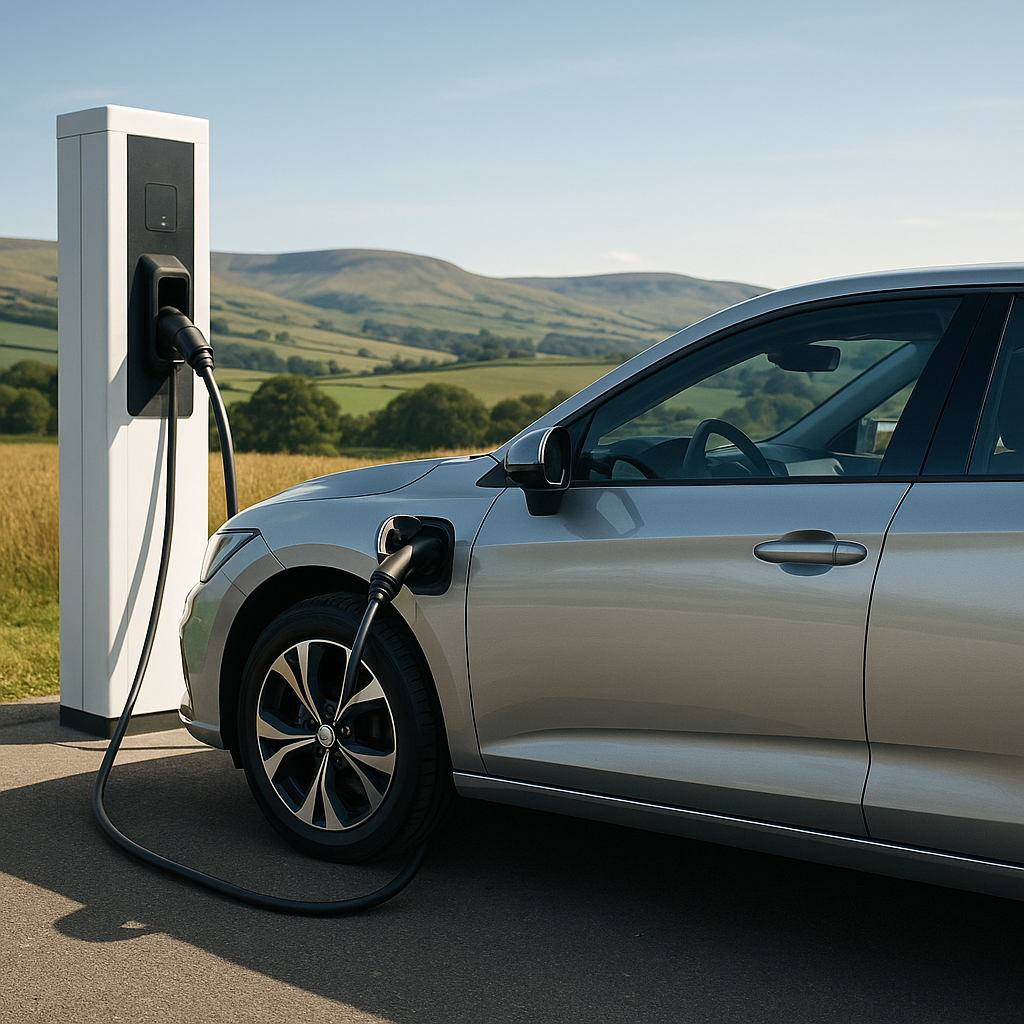
Shifting Gears: The Maintenance Landscape
As electric vehicles (EVs) and hybrids gain traction on UK roads, understanding their maintenance needs compared to traditional petrol vehicles is crucial for drivers. While the core function of all vehicles is to transport us, the way they achieve this can differ significantly, especially regarding upkeep.
In the UK, vehicles are required to pass an MOT test annually once they reach three years old, ensuring roadworthiness. However, the maintenance requirements for EVs and hybrids diverge from those of petrol cars, impacting both service intervals and ownership costs.
The Key Differences in Maintenance
EVs and hybrids are fundamentally different from petrol cars in terms of their powertrains. This difference leads to variations in maintenance tasks, frequency, and overall costs. Here are some aspects where these vehicles differ:
- Powertrain Components: EVs have electric motors and batteries, while hybrids combine both electric and petrol engines. Petrol cars rely solely on internal combustion engines.
- Fluid Changes: Petrol cars require regular oil changes, whereas EVs do not use engine oil and have fewer fluid changes overall.
- Brake Maintenance: Regenerative braking in hybrids and EVs reduces brake wear, leading to less frequent brake pad replacements compared to petrol cars.
Maintenance Tasks for EVs and Hybrids
Understanding the specific maintenance tasks for your vehicle type is essential. Below is a breakdown of key maintenance tasks for EVs, hybrids, and petrol cars:
Electric Vehicles
- Battery Health: Regular checks of battery health are essential. Look for signs of reduced range or charging issues.
- Tire Rotation: EVs can have uneven tire wear due to instant torque delivery; regular rotation is advisable.
- Cooling System Maintenance: Ensure that the battery cooling system is functioning correctly to prevent overheating.
Hybrid Vehicles
- Battery Inspection: Similar to EVs, hybrid batteries need periodic checks for performance and safety.
- Engine Maintenance: Regular oil changes are still required for the petrol engine component.
- Brake System Checks: Inspect the brake system regularly to ensure regenerative brakes are functioning correctly.
Petrol Cars
- Oil Changes: Typically recommended every 5,000 to 10,000 miles, depending on the vehicle.
- Exhaust System Checks: Regular inspections for leaks or corrosion are critical for performance and emissions.
- Fuel System Maintenance: Regular checks and potential cleaning of fuel injectors may be needed.
Seasonal Considerations in the UK
In the UK, seasonal changes can affect vehicle maintenance. For instance, winter can be particularly harsh on battery performance in EVs and hybrids. Drivers should ensure:
- Batteries are fully charged before colder months to maximise range.
- Tire tread is adequate for wet and icy conditions; consider winter tyres if necessary.
Ownership Costs: What to Expect
When evaluating ownership costs, it’s important to consider the long-term implications of maintenance. EVs and hybrids generally have lower maintenance costs due to fewer moving parts and less frequent servicing. However, battery replacements can be a significant cost factor. Here’s a brief overview of what you might expect:
- EV Maintenance Costs: Generally lower than petrol cars, but battery replacement can range from £3,000 to £7,000, depending on the model.
- Hybrid Maintenance Costs: More comparable to petrol cars due to the dual powertrain; expect regular oil change costs and potential battery replacements around £1,000 to £3,000.
- Petrol Car Maintenance Costs: Regular servicing can range from £200 to £500 annually, depending on the vehicle and service type.
When to Book a Mechanic
Understanding when to seek professional help is vital for all vehicle owners. Here are some indicators for when to book a mechanic:
- If you notice a significant drop in battery range or charging speed in an EV or hybrid.
- Unusual noises or vibrations during operation that could indicate mechanical issues.
- Warning lights on the dashboard, particularly those related to the battery or braking systems.
Practical Checks for This Week
To keep your vehicle in top shape, consider performing these checks this week:
- For EVs: Check battery health via your vehicle's onboard diagnostics or app.
- For hybrids: Inspect engine oil levels and ensure they are within the recommended range.
- For petrol cars: Check tyre pressures and tread depth, ensuring they meet legal requirements.
Conclusion
Understanding the maintenance requirements for EVs, hybrids, and petrol cars is essential for all drivers. By staying informed and proactive, you can ensure your vehicle remains safe and efficient on UK roads. Always refer to your owner's handbook and follow manufacturer recommendations for specific maintenance schedules.
UK ownership context
Use your owner's handbook and service schedule as the starting point, then adapt the timing to UK stop-start traffic, colder months and the mileage your car actually covers.
For many drivers, the most useful benchmark is not a generic internet interval but the manufacturer schedule, recent MOT advisories and the pattern of local driving the vehicle sees each week.
Useful next steps with Motoryst
Use the tools below to turn this advice into a practical next step.
- Store and organise your service history
- Run a vehicle history check before buying
- Compare warranty cover options
- Estimate current vehicle value
Useful UK references
- DVSA and GOV.UK guidance on MOT preparation
- Check previous MOT advisories and failures
- Use the vehicle owner's handbook and manufacturer service schedule for model-specific intervals, fluids and warning-light guidance.