Introduction
Maintaining the correct tyre pressure is essential for any vehicle owner. Not only does it enhance the longevity of your tyres, but it also plays a crucial role in fuel economy and safety. In this blog post, we will explore how tyre pressure affects both these important aspects of driving.
The Importance of Tyre Pressure
Tyre pressure refers to the amount of air in your tyres, measured in pounds per square inch (PSI). Each vehicle has a recommended tyre pressure, usually found in the owner’s manual or on a sticker inside the driver’s door. Keeping your tyres inflated to the recommended level ensures optimal performance and safety.
How Tyre Pressure Affects Fuel Economy
When your tyres are under-inflated, they create more rolling resistance, which means your engine has to work harder to move the vehicle. This increased effort translates directly into higher fuel consumption. Studies have shown that driving on under-inflated tyres can reduce fuel efficiency by up to 3% for every 1 PSI drop in pressure.
Optimal Tyre Pressure for Fuel Efficiency
To achieve the best fuel economy, it’s critical to regularly check and maintain your tyre pressure. Here are some practical tips:
- Check tyre pressure at least once a month.
- Inspect tyre pressure before long trips.
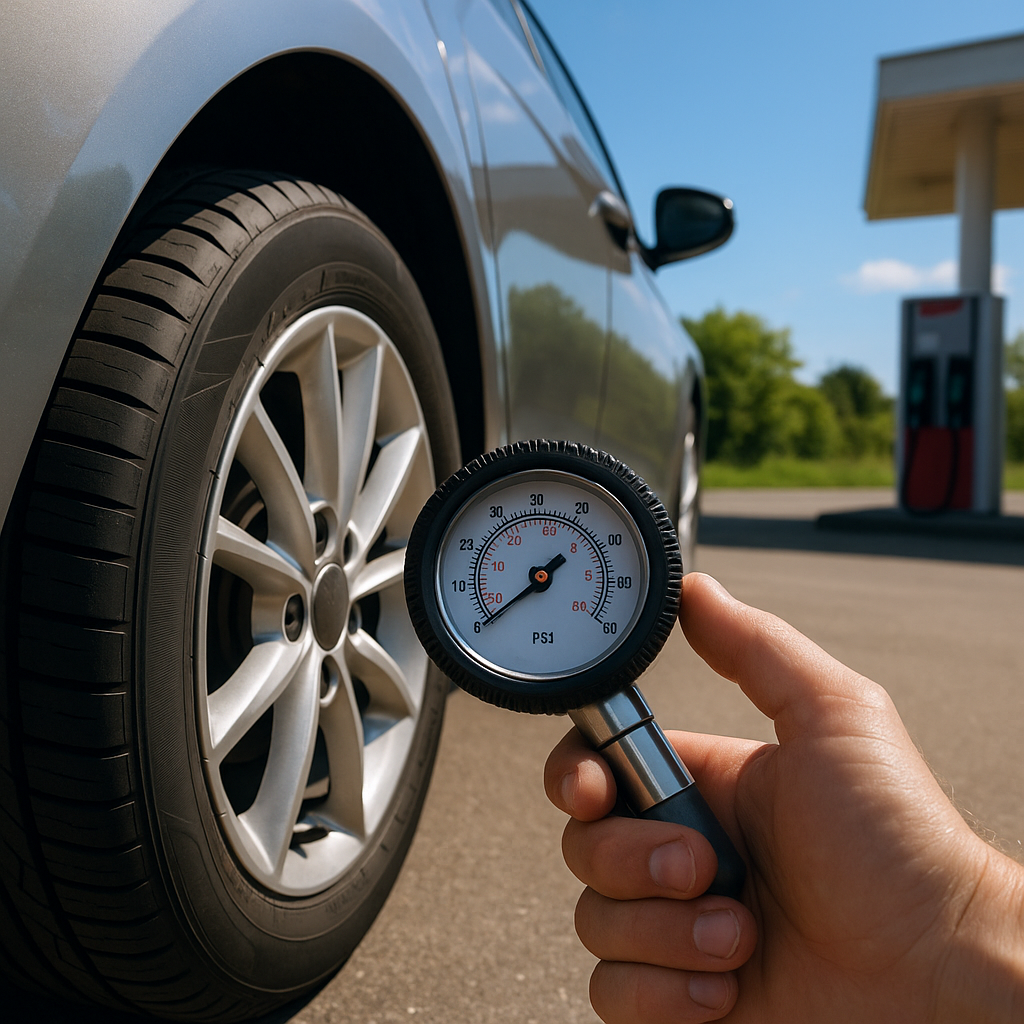
- Use a reliable pressure gauge for accurate readings.
- Always check tyre pressure when the tyres are cold, as heat from driving can give inaccurate readings.
- Inflate tyres to the manufacturer’s recommended PSI.
Impact on Vehicle Safety
In addition to affecting fuel economy, incorrect tyre pressure can compromise your vehicle's safety. Under-inflated tyres can lead to poor handling, longer stopping distances, and increased risk of blowouts. Conversely, over-inflated tyres can result in reduced traction and a harsher ride.
Safety Benefits of Proper Tyre Pressure
Maintaining the correct tyre pressure enhances your vehicle's safety in several ways:
- Improved grip on the road, especially in wet conditions.
- Enhanced braking performance.
- Better handling and stability while driving.
- Reduced risk of tyre blowouts.
- Longer lifespan for your tyres, which can save you money in the long run.
Signs of Incorrect Tyre Pressure
Being aware of the signs of incorrect tyre pressure can help you address issues before they become serious problems. Look out for the following:
- Uneven tyre wear.
- Vibration or noise while driving.
- A sudden drop in fuel efficiency.
- Difficulty in steering or handling.
How to Check and Adjust Tyre Pressure
Checking and adjusting your tyre pressure is a simple process that can be done at home or at a petrol station. Here’s how:
- Gather the necessary tools: a reliable pressure gauge and an air compressor.
- Remove the valve cap from the tyre you wish to check.
- Press the pressure gauge onto the valve stem and read the measurement.
- If the pressure is too low, use the air compressor to inflate the tyre to the recommended PSI.
- Replace the valve cap securely.
Conclusion
Maintaining the correct tyre pressure is not just a matter of convenience; it is vital for your fuel economy and safety on the road. Regular checks and adjustments can lead to significant savings at the pump and provide a safer driving experience. Make tyre pressure maintenance a part of your routine vehicle care to ensure you are getting the best performance from your vehicle.