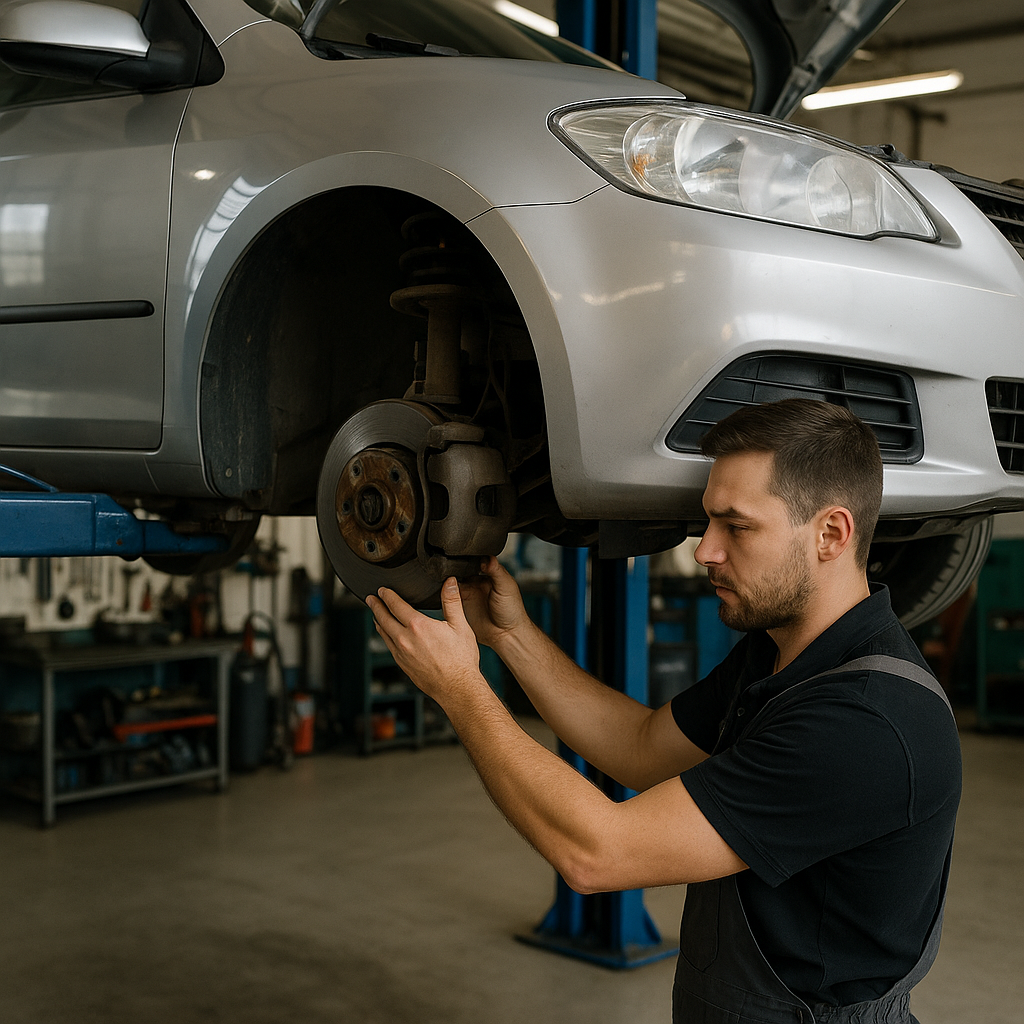
Why Your Car Might Pull To One Side When Braking
Experiencing your car pulling to one side when braking can be a concerning issue. Not only does it affect your driving experience, but it can also indicate underlying problems that may compromise your vehicle's safety. This guide aims to help you understand why this happens and what steps you can take to address it.
Common Causes of Pulling to One Side
There are several reasons why your car may veer to one side during braking. Here are some of the most common culprits:
- Uneven Brake Pad Wear: If one brake pad wears down faster than the others, it can cause the car to pull to one side.
- Faulty Brake Calipers: A stuck or malfunctioning brake caliper can lead to uneven braking force.
- Wheel Alignment Issues: Misalignment can cause your vehicle to pull in one direction, particularly noticeable when braking.
- Tyre Issues: Uneven tyre pressure or tread wear can affect how your car handles during braking.
- Suspension Problems: Worn suspension components can lead to instability and pulling during braking.
Signs to Look Out For
In addition to the car pulling to one side, you may notice other symptoms that indicate a problem:
- Vibrations through the steering wheel.
- Unusual noises when braking.
- Increased stopping distance.
- Uneven tyre wear patterns.
- Pulling to one side even when not braking.
Immediate Checks to Perform
If you notice your car pulling to one side when braking, consider performing the following checks:
- Brake Pads: Inspect the brake pads for even wear. Replace them if they are significantly worn.
- Brake Fluid: Check the brake fluid level and condition. Contaminated fluid can affect braking performance.
- Tyre Pressure: Ensure all tyres are inflated to the manufacturer’s recommended pressure.
- Wheel Alignment: Check if your steering wheel is centred when driving straight; if not, your alignment may be off.
Seasonal Considerations in the UK
In the UK, seasonal conditions can exacerbate braking issues. Wet or icy roads can make pulling more pronounced. Regular vehicle maintenance checks, especially before winter, are crucial to ensure your braking system is in optimal condition. Additionally, the MOT test, which is mandatory for vehicles over three years old, checks your brakes for effectiveness, among other safety parameters. Make sure to address any braking issues before your MOT to avoid failing the test.
When to Book a Mechanic
While some minor checks can be done at home, knowing when to consult a professional is key. You should book a mechanic if you notice:
- Persistent pulling when braking, despite checking brake pads and tyre pressure.
- Unusual noises or vibrations that accompany the pulling.
- Any fluid leaks under the vehicle.
- Any warning lights on your dashboard related to the braking system.
In the UK, a basic brake inspection may cost around £50 to £100, depending on the garage and location. More extensive repairs, such as replacing brake pads or calipers, can range from £150 to £300 or more, depending on the make and model of your vehicle.
Conclusion
Experiencing your car pulling to one side when braking is not only a nuisance but also a potential safety hazard. By understanding the common causes, recognising symptoms, and conducting immediate checks, you can take proactive steps to address this issue. Always prioritise safety and consult a qualified mechanic if you have any doubts about your vehicle's performance. Regular maintenance and timely interventions can save you money and ensure your car remains roadworthy.
UK ownership context
Use your owner's handbook and service schedule as the starting point, then adapt the timing to UK stop-start traffic, colder months and the mileage your car actually covers.
For many drivers, the most useful benchmark is not a generic internet interval but the manufacturer schedule, recent MOT advisories and the pattern of local driving the vehicle sees each week.
Useful next steps with Motoryst
Use the tools below to turn this advice into a practical next step.
- Store and organise your service history
- Run a vehicle history check before buying
- Compare warranty cover options
- Estimate current vehicle value
Useful UK references
- DVSA and GOV.UK guidance on MOT preparation
- Check previous MOT advisories and failures
- Use the vehicle owner's handbook and manufacturer service schedule for model-specific intervals, fluids and warning-light guidance.