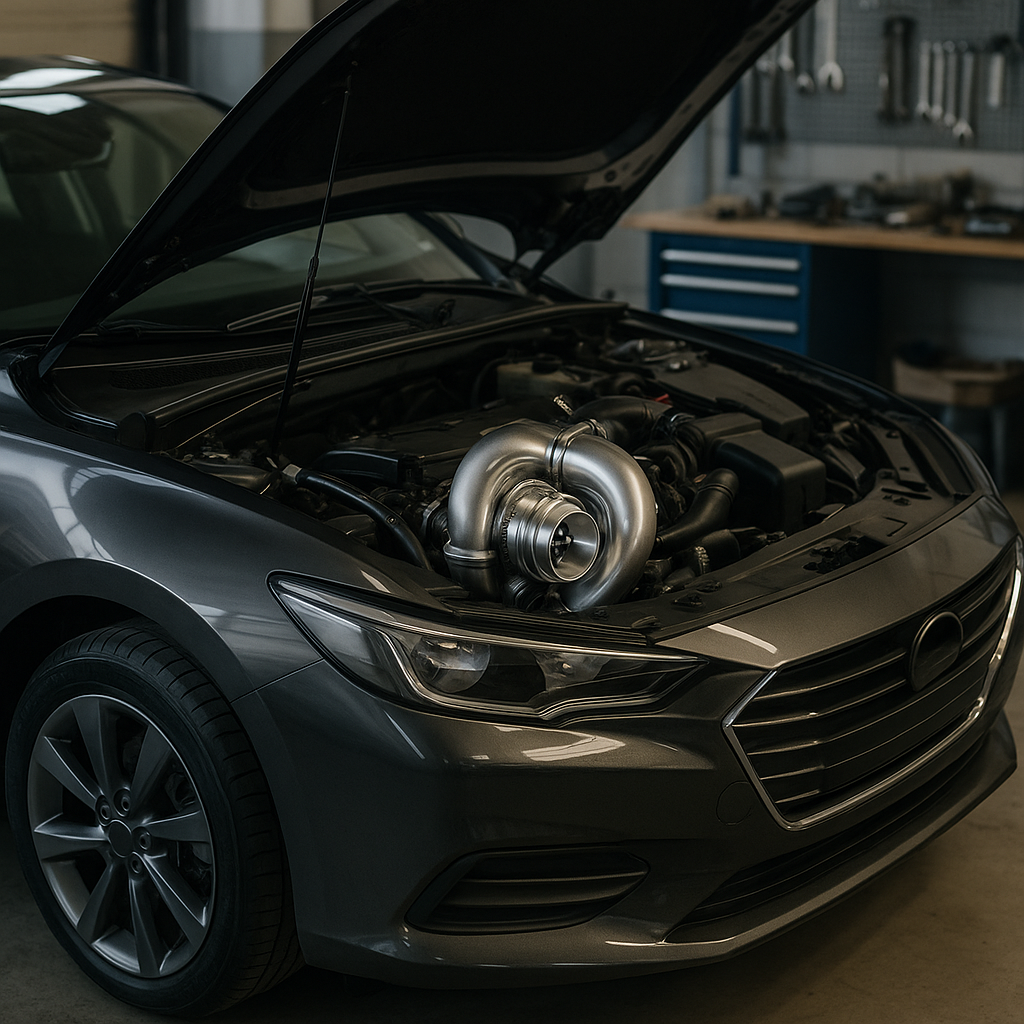
Understanding Turbochargers
A turbocharger is a vital component in modern vehicles, designed to enhance engine performance by forcing more air into the combustion chamber. This increased airflow allows for more fuel to be burned, resulting in greater power output. However, like any mechanical system, turbochargers can develop issues over time. Recognising the warning signs of turbocharger failure is crucial for maintaining your vehicle's performance and avoiding costly repairs.
Common Signs of Turbocharger Problems
Being aware of the common warning signs associated with turbocharger issues can help you identify problems early. Here are some key indicators to watch out for:
- Loss of Power: A noticeable decrease in engine power can indicate that your turbocharger is not functioning properly. If your vehicle feels sluggish during acceleration, it may be time to investigate further.
- Excessive Exhaust Smoke: If you notice blue or black smoke coming from your exhaust, it could be a sign that your turbocharger is leaking oil or burning fuel inefficiently.
- Unusual Noises: Listen for any whistling, grinding, or whining noises coming from the engine bay. These sounds can be indicative of a failing turbocharger or damaged bearings.
- Check Engine Light: If your dashboard warning light illuminates, it could be a signal that there is an issue with your turbo or engine management system.
- Oil Leaks: Inspect for oil leaks around the turbocharger area. Oil leaks can suggest a failing seal or damaged turbo components.
Detailed Examination of Warning Signs
Loss of Power
A drop in acceleration or an inability to reach higher speeds can be alarming. If your turbocharger is malfunctioning, you may feel a lack of responsiveness when pressing the accelerator. This could be due to a wastegate issue, a problem with the turbo's internal components, or a lack of boost pressure.
Excessive Exhaust Smoke
Different colours of smoke can indicate various problems. Blue smoke typically suggests that oil is leaking into the combustion chamber, while black smoke indicates that too much fuel is being burned. In both cases, the turbocharger may be at fault, and further investigation is necessary.
Unusual Noises
Pay close attention to any abnormal sounds, especially during acceleration. A high-pitched whine may indicate a failing turbo bearing, while grinding noises can suggest more severe internal damage. If you hear these sounds, it’s advisable to stop driving and have the vehicle inspected.
Check Engine Light
The check engine light can be triggered by a variety of issues, including problems with the turbocharger. If this light appears, it’s essential to have the vehicle diagnosed using an OBD-II scanner to determine the exact cause.
Oil Leaks
Oil leaks can lead to significant engine problems if not addressed promptly. Inspect the area around the turbocharger for signs of oil pooling or dripping. If found, it could indicate a cracked housing or a failing seal.
What to Do If You Identify Warning Signs
If you notice any of the above warning signs, it’s crucial to take action promptly. Here are some steps to follow:
- Stop Driving: If you suspect a turbocharger issue, the best course of action is to stop driving the vehicle to prevent further damage.
- Consult a Professional: Seek the help of a qualified mechanic who can perform a thorough inspection and diagnosis of your turbocharger.
- Keep Records: Document any symptoms and maintenance history to provide your mechanic with detailed information.
- Consider Regular Maintenance: Regular servicing can help prevent turbocharger issues. Ensure your vehicle’s oil is changed at recommended intervals and use high-quality oil to help maintain turbo performance.
Preventative Measures for Turbocharger Longevity
Maintaining your turbocharger is essential for ensuring its longevity and performance. Here are some preventative measures you can take:
- Regular Oil Changes: Ensure that you follow the manufacturer’s recommendations for oil change intervals. Clean, high-quality oil is crucial for turbocharger health.
- Warm Up Your Engine: Allow your engine to warm up before driving aggressively. This helps ensure that the oil circulates properly and lubricates the turbocharger.
- Avoid Overheating: Be mindful of your engine temperature, especially after heavy acceleration or towing. Allow the turbo to cool down by letting the engine idle for a few minutes before shutting it off.
- Use Quality Fuels: Using high-quality fuels can improve combustion efficiency and reduce the likelihood of carbon build-up in the turbocharger.
Conclusion
Identifying the warning signs of turbocharger issues early can save you from costly repairs and ensure your vehicle maintains optimal performance. By keeping an ear out for unusual noises, monitoring power levels, and being vigilant about oil leaks and smoke, you can protect your engine and turbocharger. Regular maintenance and attention to detail will go a long way in prolonging the life of your turbocharger and enhancing your driving experience.