How Often Should You Change Engine Oil In Uk Driving Conditions
Engine oil plays a critical role in maintaining the health and performance of your vehicle. It lubricates moving parts, reduces friction, and helps to keep the engine cool. Regular oil changes are essential for prolonging the life of your engine and ensuring optimal performance, especially in the varied driving conditions found across the UK.
UK Driving Conditions and Their Impact
The driving environment in the UK can be quite diverse, with factors such as traffic congestion, weather conditions, and road quality all influencing how often you should change your engine oil. Here are some key considerations:
- Urban Driving: Frequent short trips in stop-and-go traffic can lead to more contaminants in the oil, necessitating more frequent changes.
- Motorway Driving: Longer, consistent journeys at higher speeds can be easier on engine oil, but it's still essential to monitor oil condition regularly.
- Seasonal Changes: Cold winters can thicken oil, while hot summers can cause it to break down faster. Adjusting your oil change schedule to account for these variations is wise.
Manufacturer Recommendations
Your vehicle's owner's handbook is the best source for specific oil change intervals. Most manufacturers recommend oil changes every 5,000 to 10,000 miles or every 6 to 12 months, depending on driving conditions and oil type. Synthetic oils often last longer than conventional oils, so check which type is used in your vehicle.
Signs That You Need an Oil Change
Being aware of the signs that indicate it's time for an oil change can save you from costly repairs down the line. Look out for the following symptoms:
- Oil Change Light: If this warning light appears on your dashboard, it's time to change the oil.
- Dark or Gritty Oil: Clean oil is typically a golden or amber colour. If it appears dark or has a gritty texture, it needs changing.
- Excessive Engine Noise: If your engine sounds louder than usual, it could indicate insufficient lubrication due to old oil.
- Oil Smell Inside the Car: If you notice an oil smell, it could mean there's an oil leak or that the oil is burning.
Practical Steps to Check Your Oil
You can easily check your engine oil at home. Here's how:
- Park your vehicle on a level surface and turn off the engine.
- Wait a few minutes for the oil to settle, then open the bonnet.
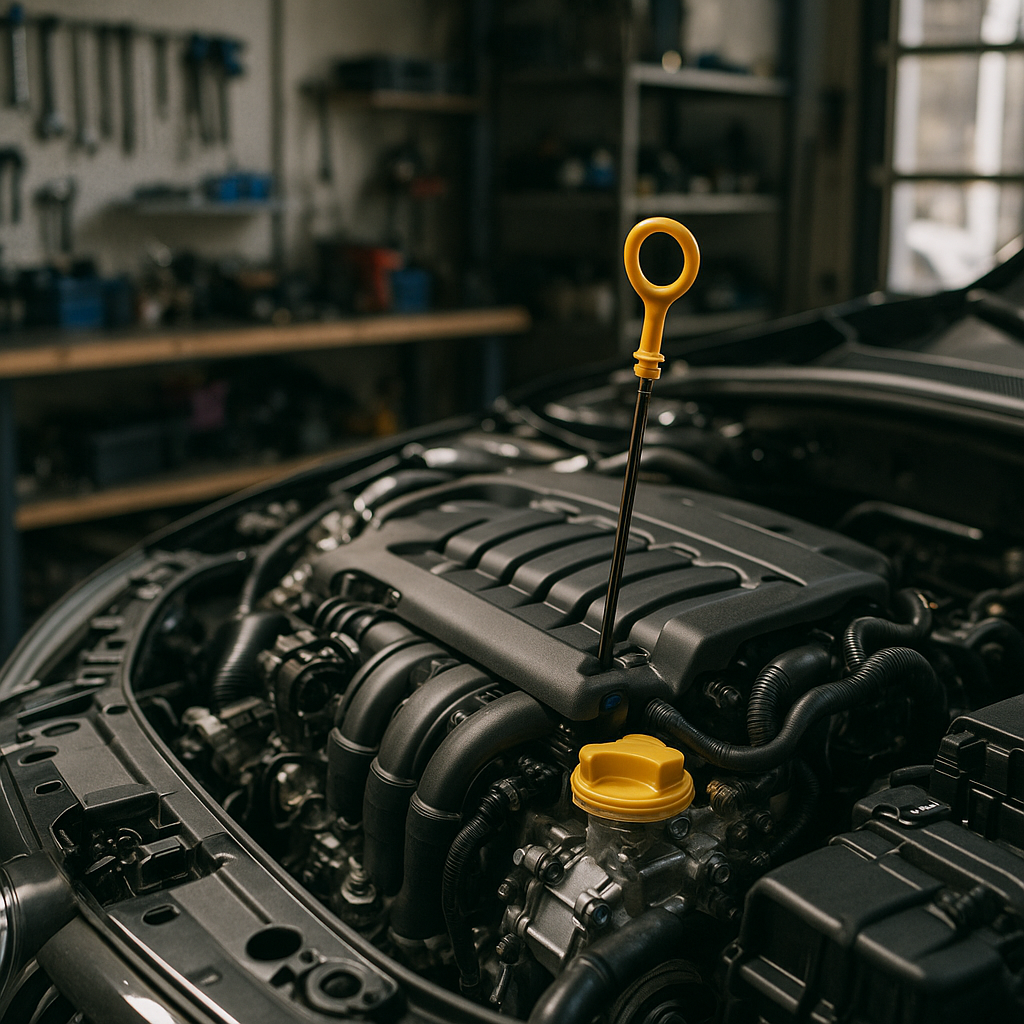
- Locate the dipstick, pull it out, and wipe it clean with a cloth.
- Reinsert the dipstick fully, then remove it again to check the oil level.
- Look at the oil's colour and consistency on the dipstick to assess its condition.
If the oil level is low or the oil appears dirty, it's time to book an oil change.
When to Book a Mechanic
While many drivers can perform basic oil checks, there are times when professional help is required. Consider booking a mechanic if:
- You are unsure about the condition of your oil or how to check it properly.
- You notice any leaks or excessive consumption of oil.
- Your vehicle is due for a service based on the manufacturer's schedule.
- The oil change light remains illuminated after an oil change.
Regular oil changes typically cost between £50 and £100 at a garage, depending on the type of oil used and the service provider. Always request a quote beforehand and ensure that the garage uses quality oil that meets your manufacturer's specifications.
Cost Implications of Neglecting Oil Changes
Failing to change your engine oil can lead to severe engine damage, resulting in costly repairs that could reach thousands of pounds. Regular maintenance not only extends the life of your engine but also helps maintain the vehicle's resale value. Moreover, keeping your engine in good condition can improve fuel efficiency, saving you money in the long run.
Seasonal Maintenance Tips
As a UK driver, it’s essential to adapt your maintenance routine to seasonal changes:
- Winter: Consider using a lower viscosity oil to improve cold-weather performance.
- Summer: Ensure your oil is of high quality to withstand higher temperatures.
Additionally, always check the oil level before embarking on long journeys, particularly during holidays when traffic is heavier.
Conclusion
In summary, the frequency of your engine oil changes should be based on your driving habits, the type of oil used, and manufacturer recommendations. By staying vigilant and proactive with your vehicle's maintenance, you can enhance its performance and longevity. Always refer to your owner's handbook for the most accurate information regarding your specific vehicle.
UK ownership context
Use your owner's handbook and service schedule as the starting point, then adapt the timing to UK stop-start traffic, colder months and the mileage your car actually covers.
For many drivers, the most useful benchmark is not a generic internet interval but the manufacturer schedule, recent MOT advisories and the pattern of local driving the vehicle sees each week.
Useful next steps with Motoryst
Use the tools below to turn this advice into a practical next step.
- Store and organise your service history
- Run a vehicle history check before buying
- Compare warranty cover options
- Estimate current vehicle value
Useful UK references
- DVSA and GOV.UK guidance on MOT preparation
- Check previous MOT advisories and failures
- Use the vehicle owner's handbook and manufacturer service schedule for model-specific intervals, fluids and warning-light guidance.