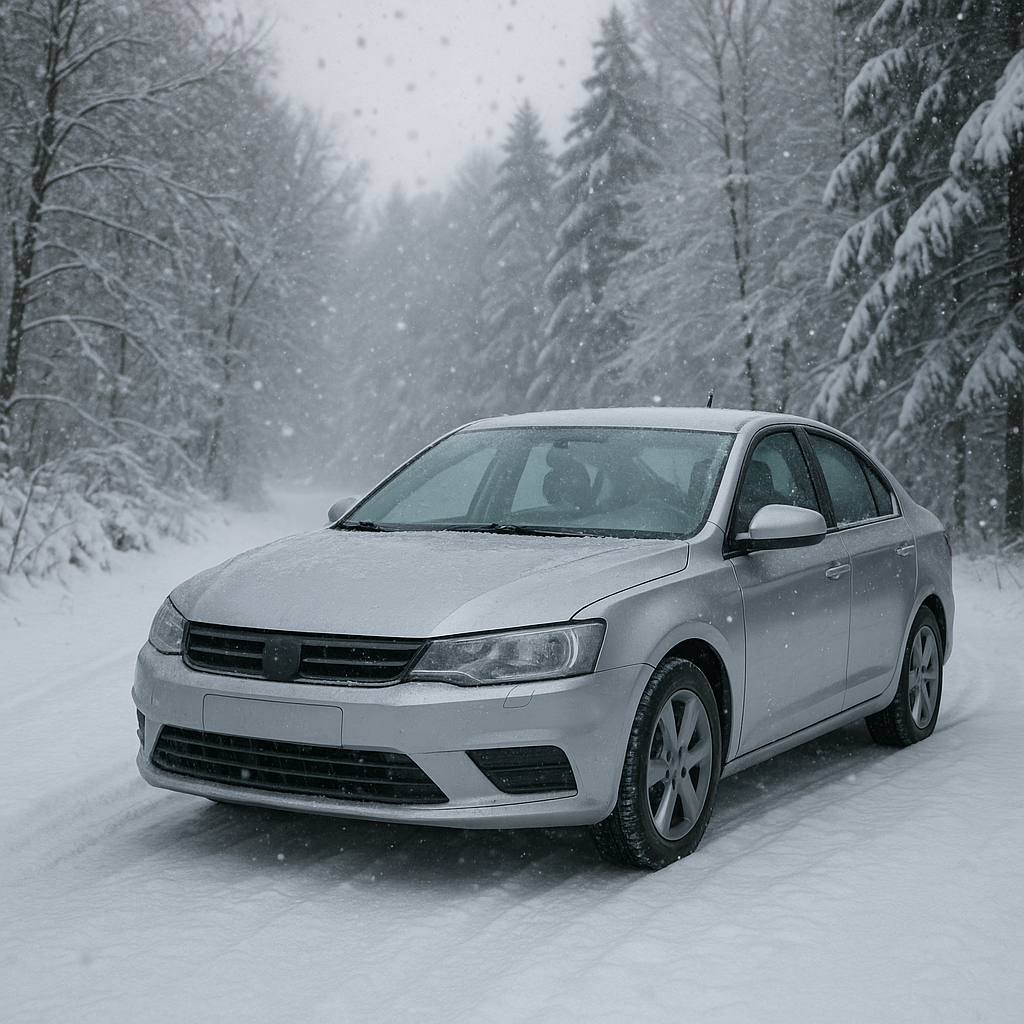
How To Prepare Your Car For Winter Commuting
As winter approaches in the UK, it’s essential to prepare your car for the unique challenges posed by colder temperatures, icy roads, and reduced visibility. Proper winter maintenance not only enhances your safety on the road but also prolongs the life of your vehicle. The DVSA (Driver and Vehicle Standards Agency) recommends that vehicles are roadworthy year-round, but winter presents specific hazards that necessitate additional checks.
With the MOT (Ministry of Transport) test being a legal requirement for cars over three years old, ensuring your vehicle is in top shape before the winter months can help avoid unexpected breakdowns and costly repairs. Regular servicing aligned with your manufacturer’s schedule is also crucial, as it can catch potential issues before they escalate.
Key Checks for Your Car This Winter
Here’s a practical checklist to help you prepare your vehicle for winter commuting:
- Tyres: Ensure your tyres are winter-ready. Check the tread depth (minimum 3mm is recommended for winter) and look for any signs of wear or damage.
- Battery: Cold weather can reduce battery efficiency. Test your battery's charge and check for corrosion on terminals.
- Fluids: Top up essential fluids, including antifreeze, washer fluid (use a winter mix), and oil.
- Lights: Inspect all lights, including headlights, brake lights, and indicators. Replace any blown bulbs to ensure maximum visibility.
- Wipers: Replace wiper blades if they are worn. Consider using winter blades for improved performance.
Additional Winter Preparations
Beyond the basic checks, consider the following actions to enhance your vehicle's winter readiness:
- Emergency Kit: Assemble an emergency kit to keep in your car. Include items like a blanket, first-aid kit, torch, and non-perishable snacks.
- Screen Wash: Use a winter-grade screen wash to prevent freezing and ensure clear visibility.
- Fuel Levels: Keep your fuel tank at least half full to avoid condensation and ensure you can run the heater if needed.
- Brake System: Have your brakes inspected to ensure they are functioning optimally, especially if you notice any unusual sounds or sensations.
Recognising Symptoms of Potential Issues
While you may conduct your checks, it's essential to be aware of symptoms that indicate your vehicle may need professional attention:
- Starting Problems: If your car struggles to start or makes unusual noises when turning the key, it may be a sign of a failing battery or starter motor.
- Unusual Noises: Listen for grinding, squeaking, or knocking sounds, particularly from the brakes or suspension.
- Warning Lights: Pay attention to any dashboard warning lights. If the check engine light comes on, it’s best to consult a mechanic.
- Fluid Leaks: Any visible leaks under your car should be investigated. Check for coolant, oil, or brake fluid.
When to Book a Mechanic
While some winter preparations can be done at home, there are instances when it’s wise to consult a professional. Book a mechanic if:
- Your battery is over three years old and shows signs of weakness.
- You notice significant wear on your tyres or are unsure about their condition.
- There are warning lights on your dashboard that you cannot diagnose.
- Your brakes feel spongy or unresponsive.
- You experience persistent starting issues despite a recent battery check.
In the UK, the average hourly rate for a mechanic can range from £60 to £100, depending on the complexity of the work and the garage’s location. Regular servicing can help mitigate these costs by identifying issues early.
Cost Considerations for Winter Preparation
Preparing your car for winter can incur some costs, but investing now can save you money in the long run. Here are some common expenses you might encounter:
- Tyre Replacement: A full set of winter tyres can cost between £300 and £600, depending on the brand and model.
- Battery Replacement: A new battery typically costs between £100 and £200, including fitting.
- Full Service: A winter service can range from £150 to £300, depending on the garage and specific checks performed.
Consult your owner’s handbook for specific maintenance recommendations and intervals. Keeping up with these can help avoid larger costs associated with neglect.
Final Thoughts
Winter commuting in the UK requires careful preparation to ensure your safety and the reliability of your vehicle. By following the steps outlined in this guide, you can mitigate risks associated with winter driving. Regular checks, timely servicing, and awareness of your car’s condition will help you navigate the colder months with confidence.
UK ownership context
UK weather swings, short urban trips and motorway mileage all change how quickly wear shows up, so set your checks around the way the car is actually used.
For many drivers, the most useful benchmark is not a generic internet interval but the manufacturer schedule, recent MOT advisories and the pattern of local driving the vehicle sees each week.
Useful next steps with Motoryst
Use the tools below to turn this advice into a practical next step.
- Store and organise your service history
- Run a vehicle history check before buying
- Compare warranty cover options
- Estimate current vehicle value
Useful UK references
- DVSA and GOV.UK guidance on MOT preparation
- Check previous MOT advisories and failures
- Use the vehicle owner's handbook and manufacturer service schedule for model-specific intervals, fluids and warning-light guidance.