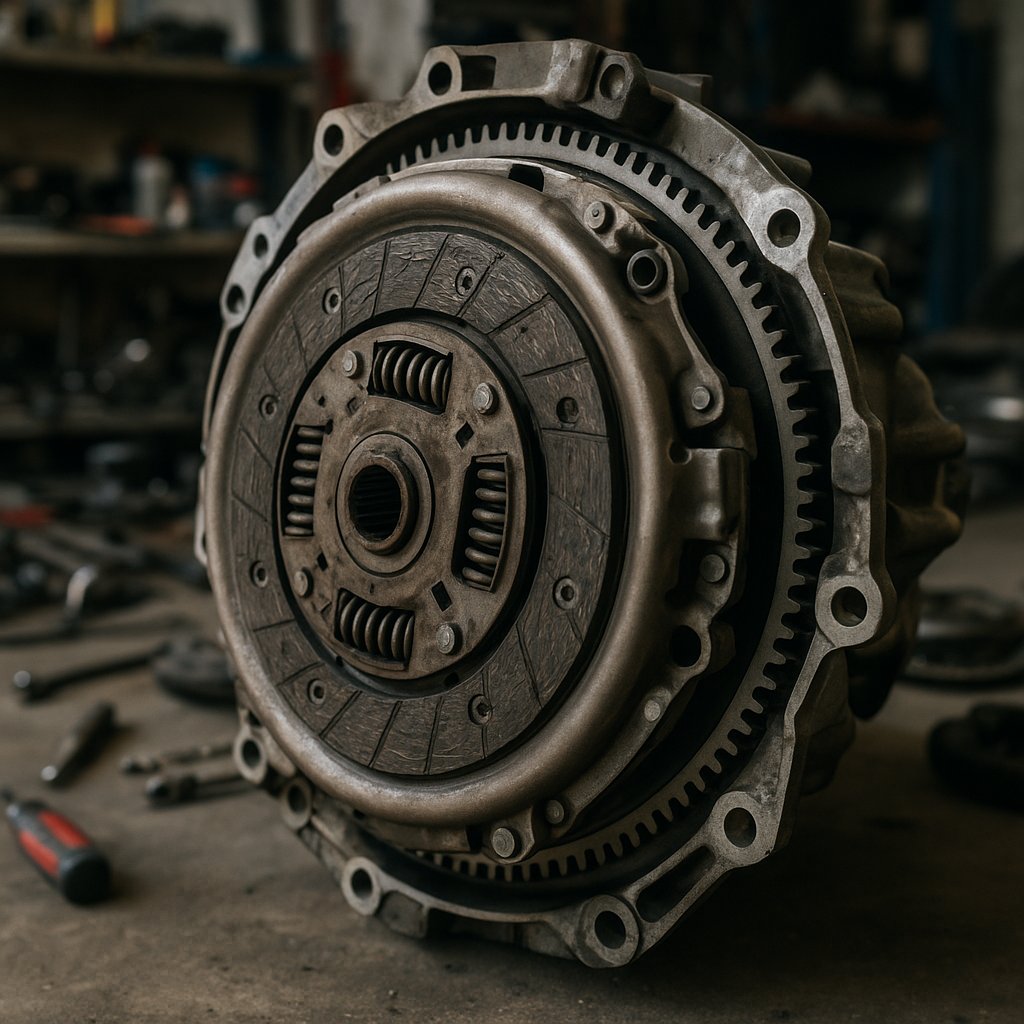
Signs Your Clutch May Be Wearing Out
The clutch is a crucial component of your vehicle's manual transmission system, allowing you to engage and disengage the engine from the wheels. In the UK, where many drivers still favour manual vehicles, being aware of the signs of clutch wear is essential for maintaining roadworthiness and ensuring safety on the roads. Regular checks and maintenance can prevent costly repairs and keep your vehicle in good condition.
With the annual MOT test assessing your vehicle's safety and emissions, it’s vital to keep your clutch in optimal condition. A malfunctioning clutch can lead to more significant issues, impacting both performance and safety. Here are some signs that your clutch may be wearing out.
Common Symptoms of Clutch Wear
As a responsible driver, it's important to recognise the early signs of clutch wear. Here are some symptoms to watch for:
- Slipping Clutch: If you notice the engine revving without a corresponding increase in speed, your clutch may be slipping. This is often due to worn friction material.
- Difficulty Engaging Gears: Struggling to shift into gear or experiencing grinding noises can indicate that the clutch is failing to disengage completely.
- Unusual Noises: Listen for any rattling or grinding noises when the clutch pedal is pressed. These sounds can signal damage to the clutch components.
- Soft or Spongy Clutch Pedal: A clutch pedal that feels unusually soft or spongy may indicate a hydraulic issue or air in the system.
- Burning Smell: A burning odour when using the clutch could mean that it is overheating due to excessive wear.
Practical Checks You Can Do
If you suspect your clutch may be wearing out, there are a few simple checks you can perform at home:
- Pedal Feel: Press the clutch pedal to see if it feels firm and responsive. If it sinks to the floor or requires excessive force, further inspection is needed.
- Gear Engagement: Try engaging each gear with the engine running. If you experience resistance or grinding, it may indicate a problem.
- Visual Inspection: Check the clutch cable (if applicable) for fraying or damage. Look for any leaks around the hydraulic system.
- Listen for Noises: Pay attention to any abnormal sounds when pressing the clutch pedal or changing gears.
Seasonal Considerations
In the UK, seasonal conditions can affect clutch performance. For instance, driving in wet or icy conditions may lead to more frequent gear changes, putting additional strain on the clutch. Regular servicing is essential, especially before winter, to ensure your clutch system is functioning correctly. Consult your owner's handbook for recommended service intervals, which often suggest a thorough inspection of the clutch system during routine maintenance.
Cost Implications of Clutch Wear
Addressing clutch issues promptly can save you from more extensive repairs down the line. The cost of a clutch replacement can vary significantly based on the make and model of your vehicle. Typically, you might expect to pay between £500 and £1,200 for parts and labour. Factors influencing cost include:
- Vehicle Type: Luxury or performance vehicles may have higher replacement costs due to specialised parts.
- Labour Rates: Rates can vary by region and garage; urban areas may charge more than rural locations.
- Additional Repairs: If other components are damaged, such as the flywheel or release bearing, costs will increase accordingly.
When to Book a Mechanic
If you notice any of the symptoms mentioned earlier, it’s wise to book an appointment with a qualified mechanic. Ignoring these signs can lead to further damage and increased repair costs. Here are some specific situations when you should seek professional help:
- If your clutch pedal feels excessively soft or spongy.
- When you experience slipping while driving, especially at high speeds.
- If you hear unusual noises when engaging or disengaging the clutch.
- When you find it difficult to change gears smoothly.
It’s advisable to consult your local garage or dealership, as they can provide expert guidance and ensure your vehicle is serviced according to manufacturer schedules. Regular checks and timely repairs can prolong the life of your clutch and enhance the overall performance of your vehicle.
Conclusion
Being proactive about clutch maintenance not only ensures your vehicle’s performance but also contributes to your safety on the road. Regular checks, awareness of symptoms, and timely professional assessments will help you avoid unexpected breakdowns and costly repairs. Keep your vehicle in top shape and enjoy a smoother, safer driving experience.
UK ownership context
Use your owner's handbook and service schedule as the starting point, then adapt the timing to UK stop-start traffic, colder months and the mileage your car actually covers.
For many drivers, the most useful benchmark is not a generic internet interval but the manufacturer schedule, recent MOT advisories and the pattern of local driving the vehicle sees each week.
Useful next steps with Motoryst
Use the tools below to turn this advice into a practical next step.
- Store and organise your service history
- Run a vehicle history check before buying
- Compare warranty cover options
- Estimate current vehicle value
Useful UK references
- DVSA and GOV.UK guidance on MOT preparation
- Check previous MOT advisories and failures
- Use the vehicle owner's handbook and manufacturer service schedule for model-specific intervals, fluids and warning-light guidance.