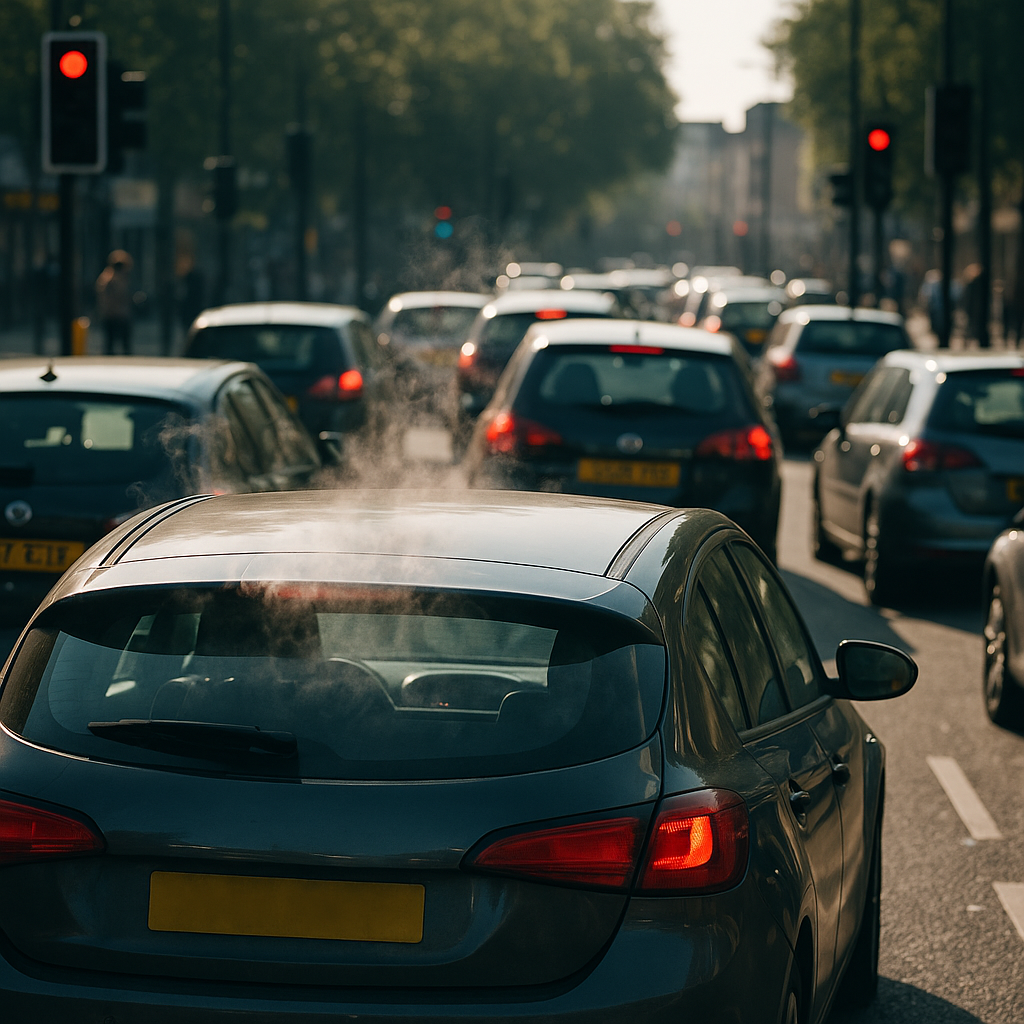
How To Prevent Overheating In Stop-start Traffic
Driving in stop-start traffic can be frustrating, especially when your vehicle begins to overheat. This is particularly pertinent in the UK, where heavy traffic is common in urban areas. Overheating can lead to severe engine damage, increased repair costs, and even MOT failures due to roadworthiness issues. By taking proactive measures, you can reduce the risk of overheating and ensure your car remains in good condition.
Key Checks to Prevent Overheating
Regular maintenance is crucial for preventing overheating. Here are some key checks you can perform to keep your vehicle running smoothly:
- Coolant Level: Check the coolant reservoir regularly. Ensure it is filled to the recommended level as specified in your owner's handbook.
- Radiator Condition: Inspect the radiator for any signs of leaks or damage. A damaged radiator can lead to coolant loss and overheating.
- Thermostat Function: Ensure that your thermostat is functioning correctly. A faulty thermostat can prevent coolant from circulating properly.
- Fan Operation: Listen for the cooling fan when the engine is running. If it does not engage, it could lead to overheating.
Symptoms of Overheating
Being aware of the symptoms of overheating can help you take action before it's too late. Look out for the following signs:
- Temperature gauge rising above the normal range.
- Steam or smoke emitting from under the bonnet.
- Unusual smells, such as burning coolant.
- Engine warning lights illuminating on the dashboard.
Practical Actions for Drivers
There are several practical steps you can take to minimise the risk of overheating, especially in stop-start traffic:
- Use Air Conditioning Wisely: While air conditioning can keep you comfortable, it puts additional strain on the engine. Use it sparingly, especially in heavy traffic.
- Maintain a Safe Following Distance: Keeping a safe distance from the vehicle in front allows for smoother driving and reduces the need for sudden stops, which can increase engine strain.
- Turn Off Engine When Stationary: If you are stuck in traffic for an extended period, consider turning off your engine to reduce heat buildup.
- Regular Servicing: Follow your manufacturer’s service schedule to ensure all components, including the cooling system, are in top condition.
Seasonal Considerations
In the UK, seasonal conditions can significantly impact your vehicle's cooling system. During summer, high temperatures can exacerbate overheating risks. Conversely, in winter, ensure your coolant is suitable for lower temperatures to prevent freezing. Be sure to check your vehicle’s antifreeze levels and consider a coolant flush if it hasn’t been done in a while, as old coolant can lose its effectiveness.
When to Book a Mechanic
If you notice any symptoms of overheating or if your vehicle's temperature gauge consistently reads high, it’s essential to consult a mechanic. Here are specific instances when you should book an appointment:
- The temperature gauge frequently exceeds the halfway mark.
- You observe coolant leaks under your vehicle.
- The engine begins to make unusual noises, such as knocking or hissing.
- You have recently topped up the coolant but it continues to deplete.
When booking a mechanic, expect costs to vary based on the issue. Simple checks may cost around £50-£100, while more complex repairs, such as replacing a radiator or thermostat, could range from £200 to £800 or more, depending on the make and model of your vehicle.
Conclusion
Preventing overheating in stop-start traffic is achievable with regular maintenance and proactive driving habits. By staying vigilant about your vehicle’s cooling system, you can avoid costly repairs and ensure your car remains roadworthy. Always refer to your owner's handbook for specific guidance on your vehicle's maintenance schedule, and don’t hesitate to seek professional help when needed.
UK ownership context
Use your owner's handbook and service schedule as the starting point, then adapt the timing to UK stop-start traffic, colder months and the mileage your car actually covers.
For many drivers, the most useful benchmark is not a generic internet interval but the manufacturer schedule, recent MOT advisories and the pattern of local driving the vehicle sees each week.
Useful next steps with Motoryst
Use the tools below to turn this advice into a practical next step.
- Store and organise your service history
- Run a vehicle history check before buying
- Compare warranty cover options
- Estimate current vehicle value
Useful UK references
- DVSA and GOV.UK guidance on MOT preparation
- Check previous MOT advisories and failures
- Use the vehicle owner's handbook and manufacturer service schedule for model-specific intervals, fluids and warning-light guidance.