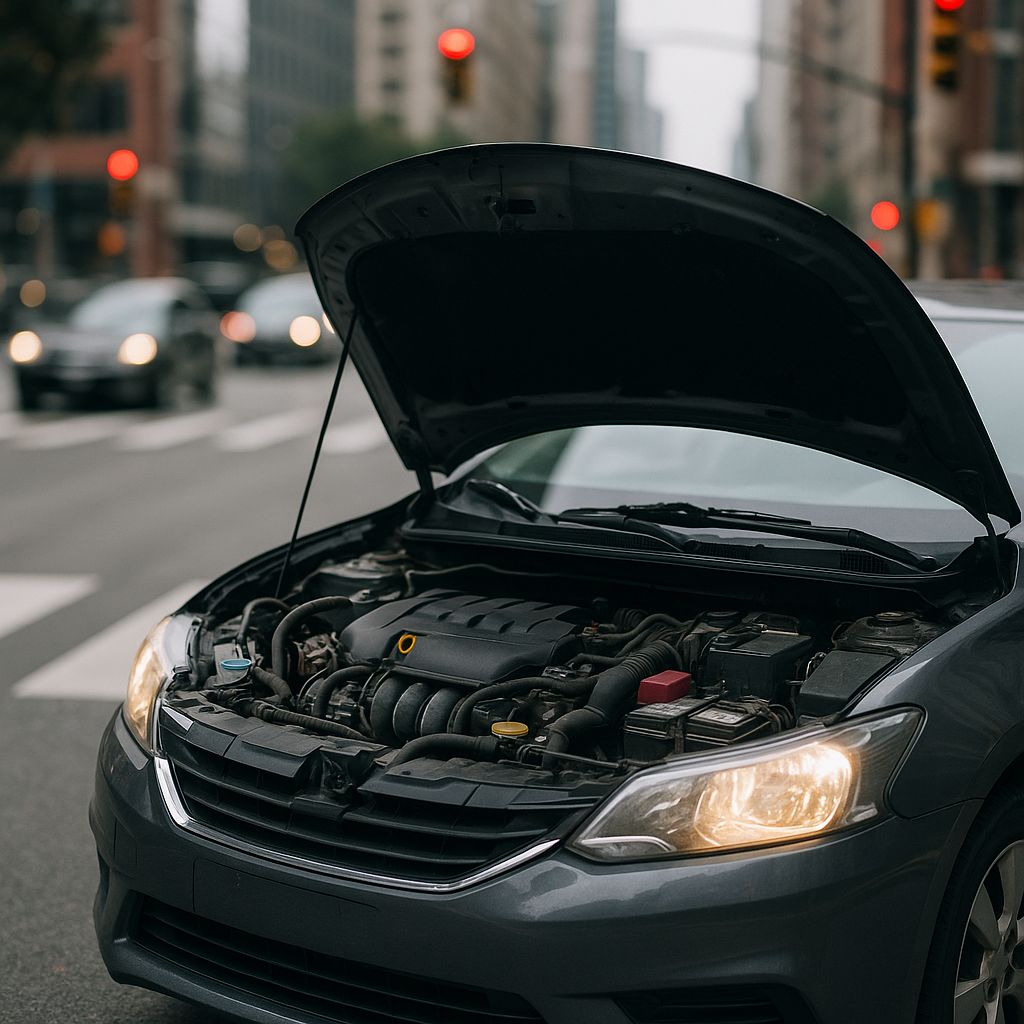
Identifying Rough Idling Symptoms
Experiencing rough idling at traffic lights can be frustrating and may indicate underlying issues with your vehicle. Rough idling refers to the engine running unevenly when stationary, often accompanied by vibrations or unusual sounds. Recognising the symptoms early can help prevent further damage and costly repairs.
- Engine vibrations felt through the steering wheel or seats
- Unusual noises, such as sputtering or popping
- Fluctuating RPMs on the tachometer
- Warning lights illuminated on the dashboard
Being aware of these symptoms can help you take the necessary steps to diagnose the problem and keep your vehicle in optimal condition.
Common Causes of Rough Idling
Rough idling can stem from various issues, and identifying the root cause is crucial for effective troubleshooting. Here are some common causes:
- Fuel System Problems: Clogged fuel injectors or a dirty fuel filter can disrupt the fuel supply, leading to poor engine performance.
- Ignition System Failures: Worn spark plugs or faulty ignition coils can cause misfires, resulting in an uneven idle.
- Vacuum Leaks: A leak in the vacuum system can create an imbalance in the air-fuel mixture, causing rough idling.
- Engine Sensors Malfunctioning: Faulty sensors, such as the mass airflow sensor or throttle position sensor, can misreport data to the engine control unit (ECU), affecting engine performance.
Understanding these potential causes can help you focus your troubleshooting efforts effectively.
Practical Steps to Troubleshoot Rough Idling
As a UK driver, there are several practical checks you can perform to troubleshoot rough idling. Here’s a step-by-step guide:
1. Check for Warning Lights
Start by examining your dashboard for any warning lights. If the check engine light is illuminated, it may indicate an issue that needs professional attention. Use an OBD-II scanner to retrieve any fault codes, which can guide your troubleshooting.
2. Inspect the Spark Plugs
Remove the spark plugs and inspect them for wear or deposits. If they appear worn or fouled, replacing them could resolve your idling issue. Refer to your owner's handbook for the correct specifications and replacement intervals.
3. Examine the Fuel System
Check the fuel filter for clogs and consider cleaning or replacing it if necessary. You can also use a fuel system cleaner to help remove deposits from injectors. Regular maintenance of the fuel system can prevent idling issues.
4. Look for Vacuum Leaks
Inspect hoses and connections for any signs of wear or damage. A simple way to identify vacuum leaks is to spray a little carburettor cleaner around the intake manifold and vacuum hoses while the engine is running. If the idle changes, you’ve likely found a leak.
5. Test the Battery and Alternator
A weak battery or failing alternator can affect engine performance, leading to rough idling. Use a multimeter to check the battery voltage and ensure it’s within the normal range (around 12.6 volts when the engine is off and 13.7-14.7 volts when running).
Seasonal Considerations and Maintenance
In the UK, seasonal weather can impact vehicle performance. Cold weather may lead to thicker oil and fuel, affecting how smoothly your engine idles. Regular maintenance is essential, especially before winter, to ensure your vehicle remains roadworthy. Check your service intervals and follow the manufacturer's recommendations for oil changes, filter replacements, and other routine checks.
When to Book a Mechanic
If you’ve gone through the troubleshooting steps and the rough idling persists, it’s time to consult a professional. Here are some signs that indicate you should book a mechanic:
- Persistent warning lights, especially the check engine light
- Significant loss of power or acceleration
- Unusual smells or excessive exhaust smoke
- Unresolved vibrations or noises
In the UK, the cost of diagnosing and repairing rough idling can vary significantly based on the underlying issue. Simple fixes, like replacing spark plugs or filters, may cost between £50 and £150. More complex issues, such as sensor replacements or fuel system repairs, can range from £150 to £400 or more. Always request a quote and ensure the mechanic provides a detailed breakdown of the work to be done.
Conclusion
Rough idling at traffic lights can be a sign of various underlying issues, but with careful troubleshooting, many drivers can identify and resolve the problem themselves. Regular maintenance and being aware of seasonal impacts can further enhance vehicle performance. If in doubt, don’t hesitate to seek professional help to ensure your vehicle remains safe and roadworthy.
UK ownership context
Use your owner's handbook and service schedule as the starting point, then adapt the timing to UK stop-start traffic, colder months and the mileage your car actually covers.
For many drivers, the most useful benchmark is not a generic internet interval but the manufacturer schedule, recent MOT advisories and the pattern of local driving the vehicle sees each week.
Useful next steps with Motoryst
Use the tools below to turn this advice into a practical next step.
- Store and organise your service history
- Run a vehicle history check before buying
- Compare warranty cover options
- Estimate current vehicle value
Useful UK references
- DVSA and GOV.UK guidance on MOT preparation
- Check previous MOT advisories and failures
- Use the vehicle owner's handbook and manufacturer service schedule for model-specific intervals, fluids and warning-light guidance.