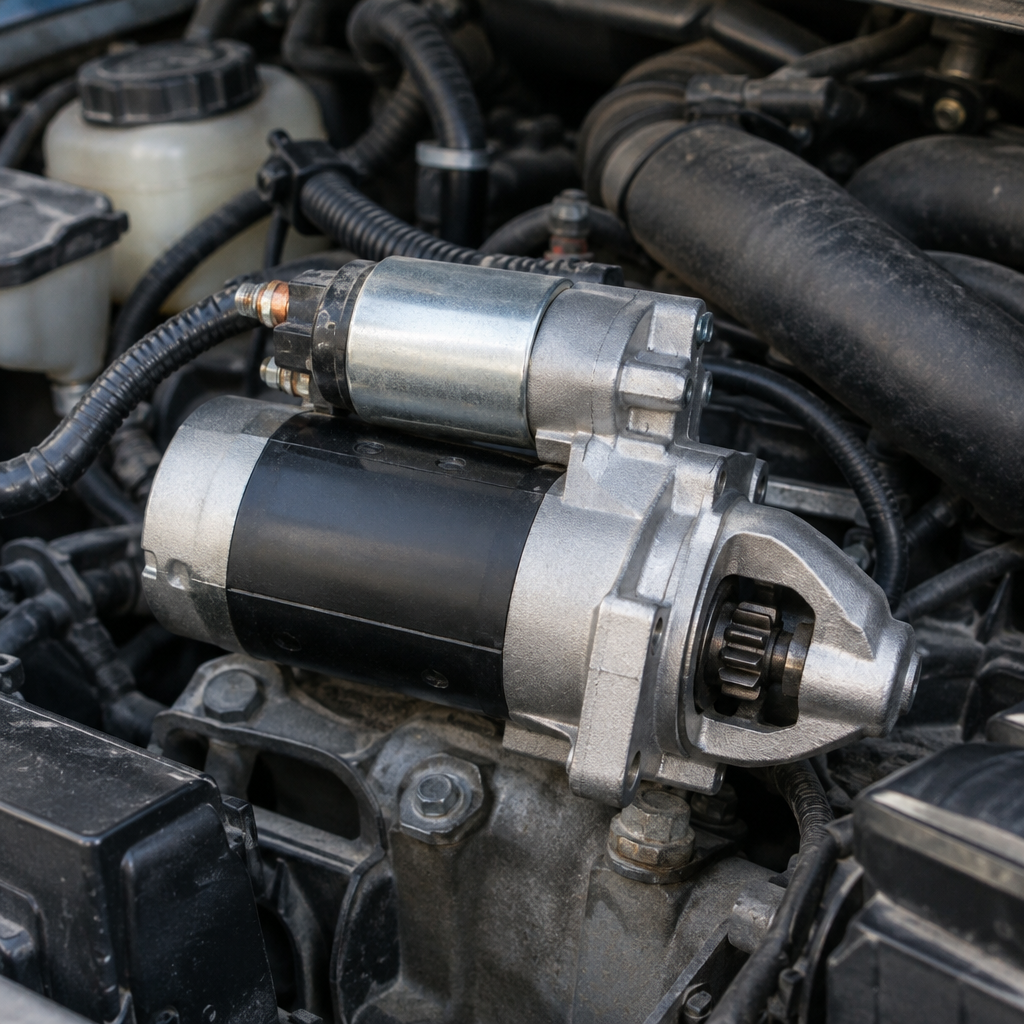
How To Diagnose Common Starter Motor Problems
The starter motor is a crucial component of your vehicle's electrical system, responsible for turning the engine over and initiating the combustion process. In the UK, a functioning starter motor is essential not just for daily driving but also for passing the MOT test, which assesses roadworthiness and safety. A faulty starter can lead to unexpected breakdowns, especially during colder months when battery performance is often compromised.
Regular maintenance and timely diagnosis of starter motor issues can save you time and money in the long run. Knowing how to identify symptoms early can prevent further damage to your vehicle and ensure you remain compliant with service intervals recommended in your owner's handbook.
Common Symptoms of Starter Motor Problems
Recognising the signs of a failing starter motor can help you take action before you're left stranded. Here are some common symptoms to look out for:
- Clicking Sound: A single click or a rapid clicking noise when turning the key can indicate insufficient power reaching the starter.
- No Sound: If there’s no sound at all, it could mean that the starter motor is completely dead.
- Intermittent Starting: If your vehicle starts sometimes but not others, it may signal that the starter is failing.
- Dim Lights: Dimming dashboard lights when attempting to start can suggest a battery issue or a failing starter.
Basic Checks Before Seeking Professional Help
Before you rush to book a mechanic, there are a few basic checks you can perform to diagnose the problem:
- Battery Condition: Check your battery. Ensure it is fully charged and free of corrosion. A weak battery can mimic starter motor issues.
- Connections: Inspect the battery cables and starter connections for any signs of wear or looseness. Tighten any loose connections.
- Fuse Inspection: Check the starter motor fuse in the fuse box. A blown fuse can prevent the starter from working.
- Ignition Switch: Test the ignition switch by turning the key to the 'on' position and checking if the dashboard lights illuminate.
Advanced Diagnostic Steps
If basic checks do not reveal the issue, you may need to perform more advanced diagnostics:
- Voltage Test: Use a multimeter to check the voltage at the starter motor. A reading below 12 volts suggests an issue.
- Bench Test: If you can remove the starter motor, consider performing a bench test to see if it operates outside the vehicle.
- Listen for Sounds: While someone turns the key, listen closely to the starter motor. If you hear a grinding noise, it may indicate a gear issue.
Seasonal Considerations
In the UK, the winter months can be particularly harsh on starter motors and batteries. Cold temperatures can reduce battery efficiency, making it harder for the starter motor to operate. Regular checks before winter, such as ensuring your battery is in good condition and that connections are secure, can help prevent issues.
When to Book a Mechanic
If you've performed the above checks and still experience issues, it may be time to consult a professional. Here are signs that indicate you should book a mechanic:
- Persistent clicking or no response when turning the key.
- Frequent jump-starts required to get the vehicle running.
- Visible damage to the starter motor or electrical connections.
- Unusual noises when attempting to start the engine.
In the UK, the cost to replace a starter motor can vary significantly based on the make and model of your vehicle, as well as labour costs at your local garage. Expect to pay anywhere from £150 to £500, including parts and labour. It's advisable to get a quote from a trusted mechanic to understand the specific costs involved.
Conclusion
Diagnosing starter motor problems can save you from unexpected breakdowns and costly repairs. By being proactive and conducting regular checks, you can maintain your vehicle's reliability and ensure it remains roadworthy. Always refer to your owner's handbook for specific maintenance schedules and consult professional help when needed.
UK ownership context
If this issue affects visibility, braking, tyres, emissions or warning lights, treat it as a roadworthiness item and sort it before an MOT or any longer journey.
For many drivers, the most useful benchmark is not a generic internet interval but the manufacturer schedule, recent MOT advisories and the pattern of local driving the vehicle sees each week.
Useful UK references
- DVSA and GOV.UK guidance on MOT preparation
- Check previous MOT advisories and failures
- Use the vehicle owner's handbook and manufacturer service schedule for model-specific intervals, fluids and warning-light guidance.