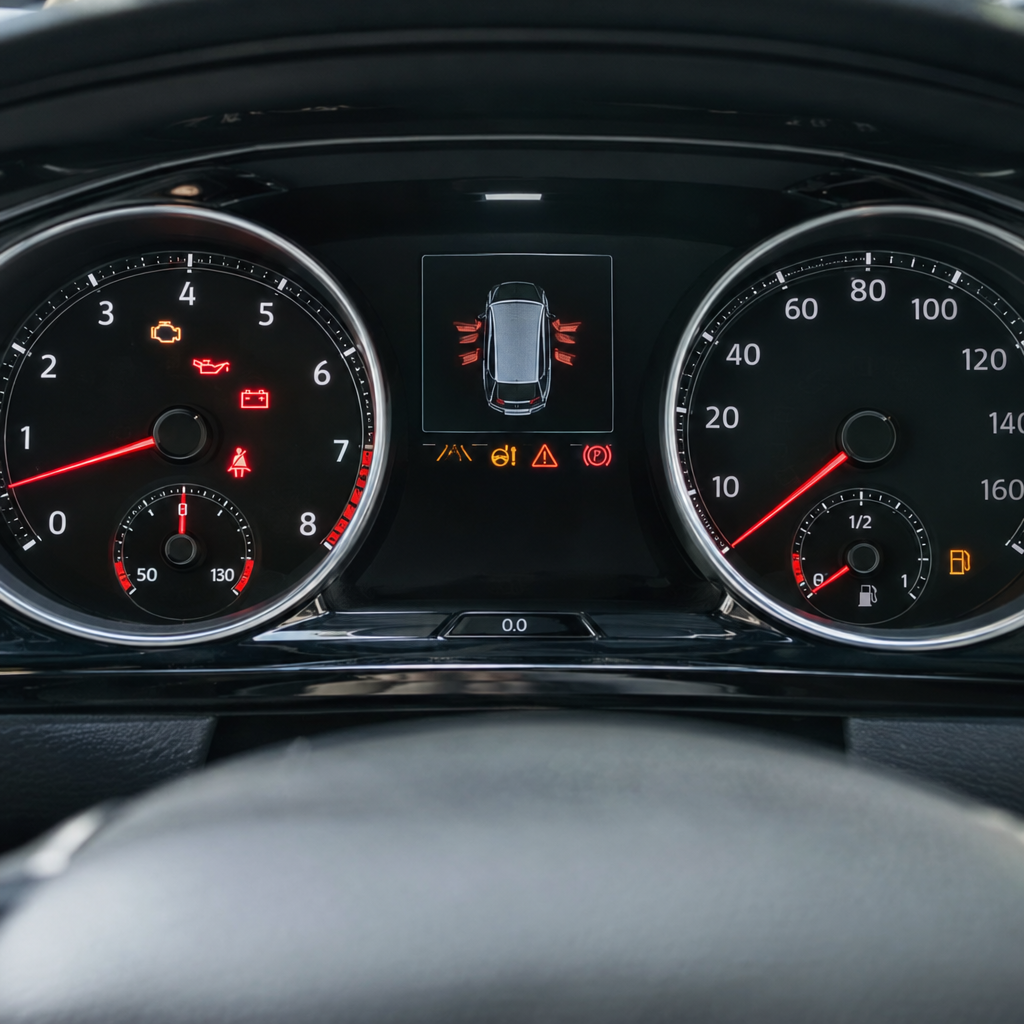
Understanding Dashboard Warning Lights And What To Do Next
Modern vehicles are equipped with a variety of dashboard warning lights, each serving as a crucial indicator of your car's health and performance. Recognising these lights and understanding their implications can save you time, money, and potential breakdowns. This guide aims to help UK drivers decode these signals and take appropriate action.
The Importance of Dashboard Warning Lights
Dashboard warning lights are designed to alert drivers to issues that may affect the vehicle's operation. Ignoring these warnings can lead to more severe problems, including costly repairs or compromised safety. Regular checks and maintenance are essential, especially considering the UK's stringent MOT requirements, which assess roadworthiness and safety.
Common Dashboard Warning Lights and Their Meanings
Here are some of the most common dashboard warning lights you might encounter:
- Engine Warning Light: Indicates a potential issue with the engine or emissions system.
- Oil Pressure Warning: Signals low oil pressure, which could lead to engine damage.
- Battery Warning: Suggests a problem with the vehicle's charging system.
- Brake Warning Light: May indicate an issue with the braking system, including low brake fluid.
- Tire Pressure Warning: Alerts you to low tire pressure, which can affect handling and fuel efficiency.
- ABS Warning Light: Indicates a fault in the anti-lock braking system, which is vital for safe braking.
What to Do When a Warning Light Appears
When a warning light illuminates on your dashboard, it’s essential to take appropriate action based on the specific light. Here’s a practical guide:
- Engine Warning Light: Check the owner’s handbook for guidance. If it’s flashing, reduce speed and seek professional help immediately.
- Oil Pressure Warning: Pull over safely, turn off the engine, and check the oil level. If low, top it up. If the light remains, consult a mechanic.
- Battery Warning: Check battery connections for corrosion. If the light stays on, your battery or alternator may need inspection.
- Brake Warning Light: Check brake fluid levels. If low, top up and check for leaks. If the light persists, book a mechanic.
- Tire Pressure Warning: Use a pressure gauge to check tire pressures. Inflate to recommended levels if necessary.
- ABS Warning Light: This requires immediate attention. Avoid driving until a professional has inspected the system.
Seasonal Considerations for Dashboard Lights
In the UK, seasonal changes can affect your vehicle's performance. For instance, colder temperatures may impact battery efficiency and tire pressure. Regular checks during autumn and winter are crucial to ensure your vehicle is prepared for adverse conditions. Additionally, ensure your headlights and wipers are functioning correctly, as visibility can be compromised during these months.
When to Book a Mechanic
While some dashboard warning lights indicate minor issues that can be resolved quickly, others signal more serious problems. Here’s when you should consider booking a mechanic:
- If the engine warning light is flashing.
- After checking the oil pressure, if the warning persists.
- When the brake warning light remains on after checking brake fluid.
- If the ABS warning light is illuminated.
- If your vehicle exhibits unusual sounds or performance issues alongside any warning lights.
Most garage services in the UK charge between £50 and £100 per hour for labour, depending on the complexity of the issue and your location. For example, replacing a faulty alternator may cost between £200 and £500, including parts and labour.
Cost Implications of Ignoring Warning Lights
Neglecting dashboard warning lights can lead to more severe problems, resulting in higher repair costs. For instance, ignoring an oil pressure warning could lead to engine failure, costing thousands to repair or replace. Regular maintenance and timely intervention can help keep ownership costs manageable and ensure your vehicle remains roadworthy.
Conclusion
Understanding dashboard warning lights is vital for safe vehicle operation and maintenance. Regular checks, especially before long journeys or seasonal changes, can prevent minor issues from escalating into significant problems. Always consult your owner’s handbook for specific guidance related to your vehicle model, and don’t hesitate to seek professional help when needed. Keeping your vehicle in top condition not only ensures safety but also enhances its longevity and performance on the road.
UK ownership context
If this issue affects visibility, braking, tyres, emissions or warning lights, treat it as a roadworthiness item and sort it before an MOT or any longer journey.
For many drivers, the most useful benchmark is not a generic internet interval but the manufacturer schedule, recent MOT advisories and the pattern of local driving the vehicle sees each week.
Useful UK references
- DVSA and GOV.UK guidance on MOT preparation
- Check previous MOT advisories and failures
- Use the vehicle owner's handbook and manufacturer service schedule for model-specific intervals, fluids and warning-light guidance.