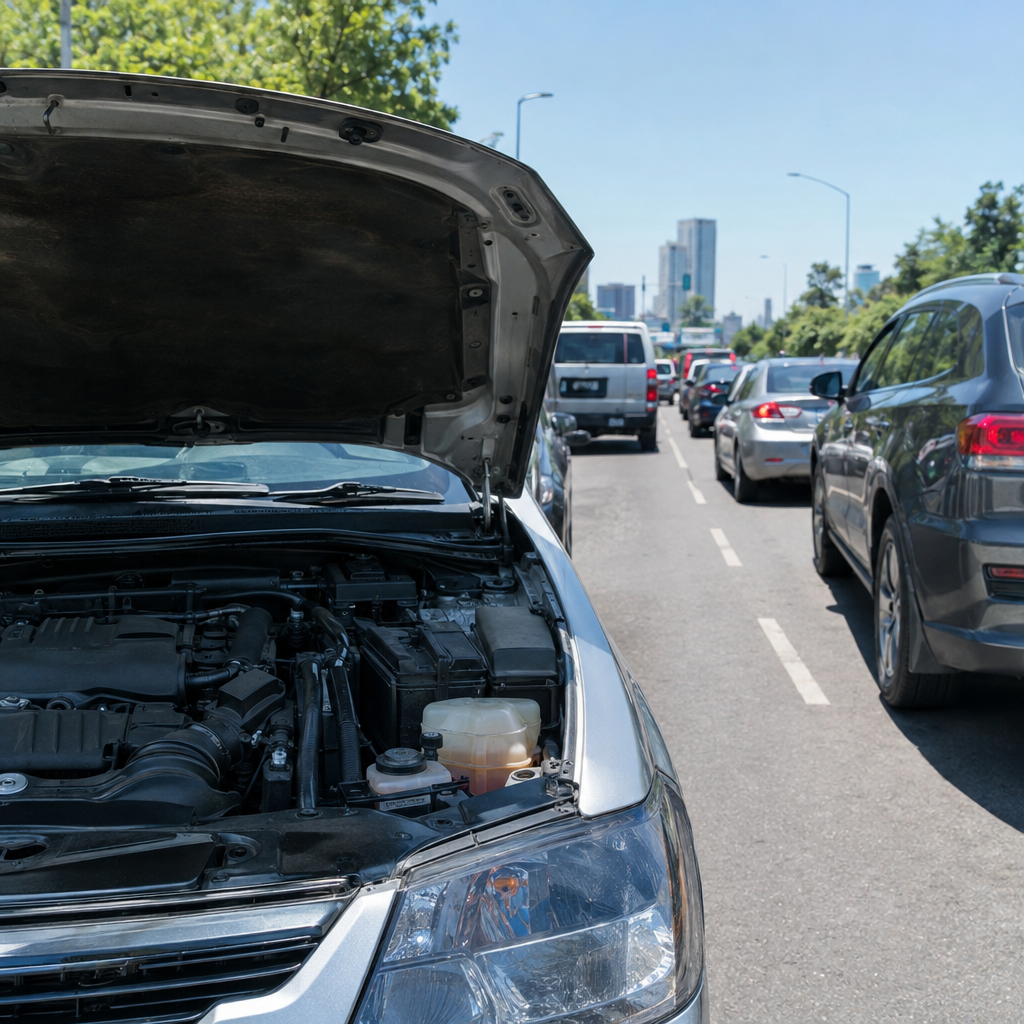
How To Prevent Overheating In Stop-start Traffic
In the UK, stop-start traffic can be a common occurrence, especially in urban areas. This type of driving can lead to increased engine temperatures, making overheating a significant concern for drivers. Overheating can cause severe engine damage, leading to costly repairs and potential breakdowns.
During the summer months, when temperatures rise, the risk of overheating increases. Additionally, with the UK’s stringent MOT regulations, ensuring your vehicle is roadworthy is crucial. An overheating engine can lead to failed inspections and could impact your vehicle's overall performance and reliability.
Signs Your Engine May Be Overheating
Being aware of the symptoms of an overheating engine is key to preventing damage. Here are some common signs:
- Temperature gauge reading higher than normal
- Steam or smoke coming from the engine bay
- Unusual smells, such as burning coolant
- Engine warning light illuminated on the dashboard
- Loss of power or strange noises from the engine
Practical Steps to Prevent Overheating
To keep your engine cool during stop-start traffic, consider the following practical tips:
- Check Coolant Levels: Regularly inspect your coolant reservoir and ensure it’s filled to the recommended level. Low coolant can lead to overheating.
- Inspect the Radiator: A blocked or damaged radiator can hinder cooling. Check for debris or leaks and ensure the radiator is functioning correctly.
- Regular Maintenance: Follow your manufacturer’s service schedule, which often includes checking the cooling system components such as the water pump and thermostat.
- Use the Air Conditioning Wisely: Air conditioning can put additional strain on your engine. Use it sparingly in heavy traffic to reduce load.
- Monitor Driving Habits: Avoid aggressive driving and rapid acceleration, which can increase engine temperature.
Seasonal Considerations for Your Cooling System
Seasonal changes can significantly affect your car’s cooling system. Here’s what to keep in mind:
- Winter: In colder months, ensure your coolant has antifreeze to prevent freezing and maintain optimal engine temperature.
- Summer: Higher ambient temperatures can exacerbate overheating issues. Check your cooling system more frequently during this time.
When to Book a Mechanic
It’s essential to know when to seek professional help. If you notice any of the following, book a mechanic immediately:
- Persistent overheating despite checking coolant levels
- Unusual noises from the engine
- Steam or smoke, indicating a potential coolant leak
- Warning lights that do not turn off after cooling down
Costs for a mechanic can vary widely based on the issue. A simple coolant flush may cost around £50-£100, while more severe repairs, such as replacing a water pump or radiator, can range from £200 to £600 or more. Always request a quote before proceeding with any work.
Regular Checks to Incorporate into Your Routine
Incorporating regular checks into your driving routine can help prevent overheating:
- Monthly coolant level checks
- Inspecting hoses and belts for wear
- Regular oil changes, as low oil can contribute to overheating
Conclusion
By staying vigilant and following these practical tips, you can significantly reduce the risk of overheating in stop-start traffic. Regular maintenance and being aware of your vehicle's condition are crucial for a reliable driving experience. Always refer to your owner’s handbook for specific guidance on your vehicle's cooling system and maintenance schedule.
UK ownership context
Use your owner's handbook and service schedule as the starting point, then adapt the timing to UK stop-start traffic, colder months and the mileage your car actually covers.
For many drivers, the most useful benchmark is not a generic internet interval but the manufacturer schedule, recent MOT advisories and the pattern of local driving the vehicle sees each week.
Useful UK references
- DVSA and GOV.UK guidance on MOT preparation
- Check previous MOT advisories and failures
- Use the vehicle owner's handbook and manufacturer service schedule for model-specific intervals, fluids and warning-light guidance.