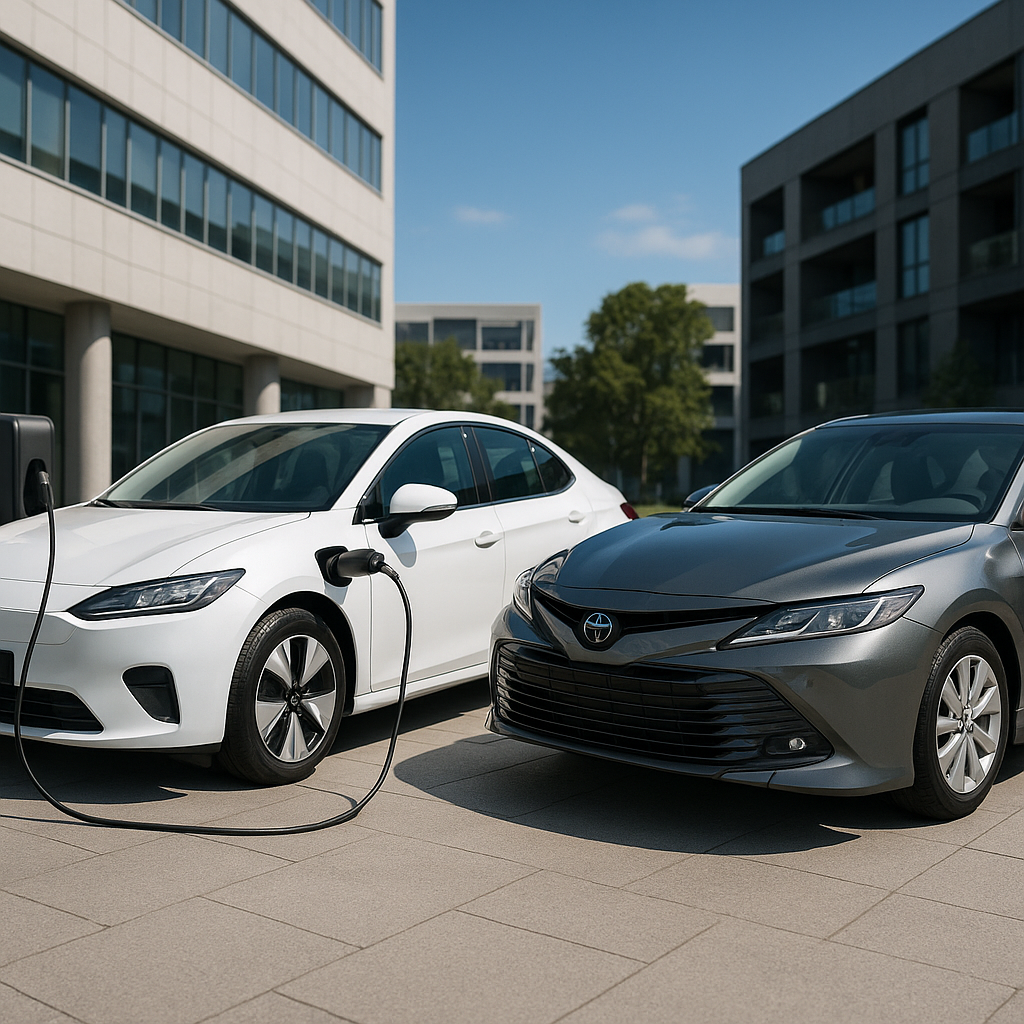
How Ev And Hybrid Maintenance Differs From Petrol Cars
As electric vehicles (EVs) and hybrids become increasingly popular in the UK, understanding how their maintenance differs from traditional petrol cars is essential for owners. While EVs and hybrids offer environmental benefits and lower running costs, they also come with distinct maintenance requirements that drivers must be aware of.
The Context of Vehicle Maintenance in the UK
In the UK, the annual MOT test is crucial for ensuring roadworthiness, and it applies to all vehicles, including EVs and hybrids. The DVSA (Driver and Vehicle Standards Agency) outlines specific checks that need to be performed during these tests. With the changing landscape of vehicle technology, maintaining these vehicles correctly is essential not just for compliance but also for safety and performance.
Seasonal conditions can also affect maintenance routines. During winter, for example, battery performance in EVs and hybrids may decline, necessitating additional checks. Furthermore, understanding service intervals is vital, as EVs generally require less frequent servicing compared to petrol vehicles. However, the nature of the service can differ significantly.
Key Maintenance Areas for EVs and Hybrids
Both EVs and hybrids have unique components that require specific attention:
- Battery Health: Regular checks on the battery's condition and capacity are critical. This includes monitoring for any warning lights on the dashboard and ensuring that the battery management system is functioning correctly.
- Brake System: Regenerative braking in hybrids and EVs can lead to less wear on brake pads, but it’s still essential to check the brake fluid and overall system regularly.
- Cooling Systems: EVs have cooling systems that regulate battery temperature. Ensure that coolant levels are maintained, and look for any leaks.
Common Maintenance Tasks
Here’s a breakdown of maintenance tasks and how they differ:
- PETROL CARS:
- Engine oil changes: Typically every 5,000 to 10,000 miles.
- Air filter replacements: Every 12,000 to 15,000 miles.
- Spark plug replacements: Every 20,000 to 30,000 miles. - EVS AND HYBRIDS:
- Battery checks: Every 12 months or as per manufacturer guidelines.
- Brake fluid replacement: Every 2 years regardless of mileage.
- Cabin air filter changes: Every 15,000 to 20,000 miles.
Symptoms Indicating Maintenance Needs
Being proactive about maintenance can prevent more significant issues down the line. Here are some symptoms to watch for:
- For EVs:
- Decreased range: If your EV suddenly has a shorter range than usual, it may indicate battery issues.
- Warning lights: Dashboard alerts related to battery or system malfunctions should be investigated immediately. - For Hybrids:
- Unusual sounds during braking: This could indicate brake system issues.
- Engine running more frequently: If the petrol engine engages more than normal, it may require servicing.
When to Book a Mechanic
Knowing when to seek professional help is vital for keeping your vehicle in optimal condition. Here are some guidelines:
- Book a mechanic if you notice persistent warning lights on the dashboard.
- If the vehicle's range drops significantly or if you experience unusual sounds, schedule an appointment.
- For any significant changes in driving performance, such as reduced acceleration or braking efficiency, don't delay in seeking assistance.
Cost Considerations for Maintenance
While EVs and hybrids generally have lower running costs, maintenance can sometimes be more expensive due to specialised parts and labour. For instance, battery replacements for EVs can range from £3,000 to £7,000, depending on the model and warranty coverage. Regular servicing costs for hybrids may be slightly higher due to the complexity of their systems.
In contrast, routine maintenance for petrol cars usually incurs lower costs, with oil changes averaging around £100 and air filter replacements between £30 and £50. However, these vehicles may require more frequent servicing, which can add to overall ownership costs.
Conclusion
In summary, while EVs and hybrids offer many advantages, their maintenance differs significantly from that of petrol cars. Regular checks on battery health, brake systems, and cooling systems are crucial for ensuring longevity and performance. By being aware of the unique maintenance needs of these vehicles and knowing when to consult a mechanic, UK drivers can enjoy the benefits of modern automotive technology while keeping their vehicles in top shape.
UK ownership context
Use your owner's handbook and service schedule as the starting point, then adapt the timing to UK stop-start traffic, colder months and the mileage your car actually covers.
For many drivers, the most useful benchmark is not a generic internet interval but the manufacturer schedule, recent MOT advisories and the pattern of local driving the vehicle sees each week.
Useful next steps with Motoryst
Use the tools below to turn this advice into a practical next step.
- Store and organise your service history
- Run a vehicle history check before buying
- Compare warranty cover options
- Estimate current vehicle value
Useful UK references
- DVSA and GOV.UK guidance on MOT preparation
- Check previous MOT advisories and failures
- Use the vehicle owner's handbook and manufacturer service schedule for model-specific intervals, fluids and warning-light guidance.