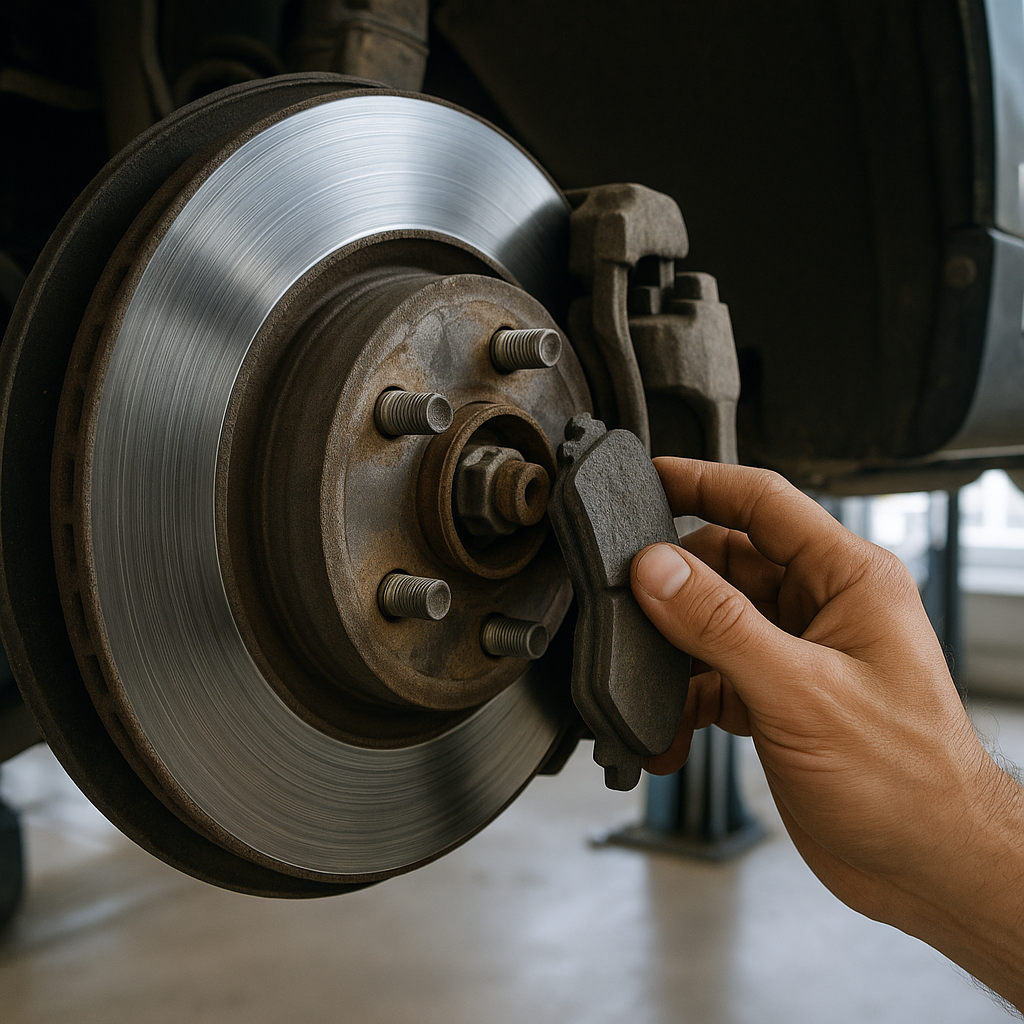
How To Extend The Life Of Your Brake Pads And Discs
Brake pads and discs are essential for your vehicle’s stopping power, making their maintenance crucial for safety and performance. In the UK, where roads can vary from smooth motorways to potholed country lanes, the wear on these components can be accelerated. Regular checks and maintenance not only ensure your vehicle is roadworthy but also help you avoid costly repairs down the line.
Seasonal Considerations
The UK experiences diverse weather conditions, from rainy days to icy winters. These factors can significantly impact brake performance. For instance, wet conditions can lead to faster wear, while winter driving may cause corrosion on brake components. Being proactive in your maintenance can help mitigate these issues.
Practical Tips to Extend Brake Life
To maximise the lifespan of your brake pads and discs, consider the following practical tips:
- Drive Smoothly: Avoid harsh acceleration and sudden braking. Gradual speed changes reduce stress on your brakes.
- Maintain Proper Tyre Pressure: Under-inflated tyres can cause your brakes to work harder, leading to increased wear.
- Regular Checks: Inspect your brakes regularly for wear and tear. Look for any signs of damage or unusual noises.
- Use Quality Parts: When replacing brake components, choose high-quality parts that meet manufacturer specifications.
Regular Maintenance Checks
It’s advisable to conduct regular maintenance checks on your brakes. Here’s a simple checklist you can follow:
- Check brake fluid levels and condition.
- Inspect brake pads for thickness; they should ideally be above 3mm.
- Examine brake discs for grooves or scoring.
- Listen for any unusual noises when braking, such as squeaking or grinding.
When to Book a Mechanic
While regular checks can help catch issues early, there are specific symptoms that indicate it’s time to consult a professional:
- Unusual noises such as squealing, grinding, or clicking.
- Vibration or pulsation when braking.
- Warning lights on your dashboard related to brake systems.
- Reduced braking efficiency or a spongy brake pedal.
If you notice any of these symptoms, it’s crucial to book a mechanic immediately. Delaying repairs can lead to more severe damage and higher costs in the long run.
Cost Considerations
The cost of brake pad and disc replacement can vary significantly based on your vehicle make and model. On average, you might expect to pay:
- Brake pads: £70 to £150 for a full set.
- Brake discs: £100 to £300 depending on quality and brand.
Labour costs can add an additional £50 to £100 per hour, depending on the garage. Always consult your owner's handbook or the manufacturer’s service schedule for specific guidance on maintenance intervals related to brakes.
Conclusion
Extending the life of your brake pads and discs requires a combination of good driving habits, regular inspections, and timely repairs. By following the practical tips outlined above, you can ensure that your brakes remain effective and safe, ultimately saving you money and improving your driving experience.
UK ownership context
If this issue affects visibility, braking, tyres, emissions or warning lights, treat it as a roadworthiness item and sort it before an MOT or any longer journey.
For many drivers, the most useful benchmark is not a generic internet interval but the manufacturer schedule, recent MOT advisories and the pattern of local driving the vehicle sees each week.
Useful next steps with Motoryst
Use the tools below to turn this advice into a practical next step.
- Check compliance and road-use related details
- Store and organise your service history
- Run a vehicle history check before buying
- Compare warranty cover options
Useful UK references
- DVSA and GOV.UK guidance on MOT preparation
- Check previous MOT advisories and failures
- Use the vehicle owner's handbook and manufacturer service schedule for model-specific intervals, fluids and warning-light guidance.