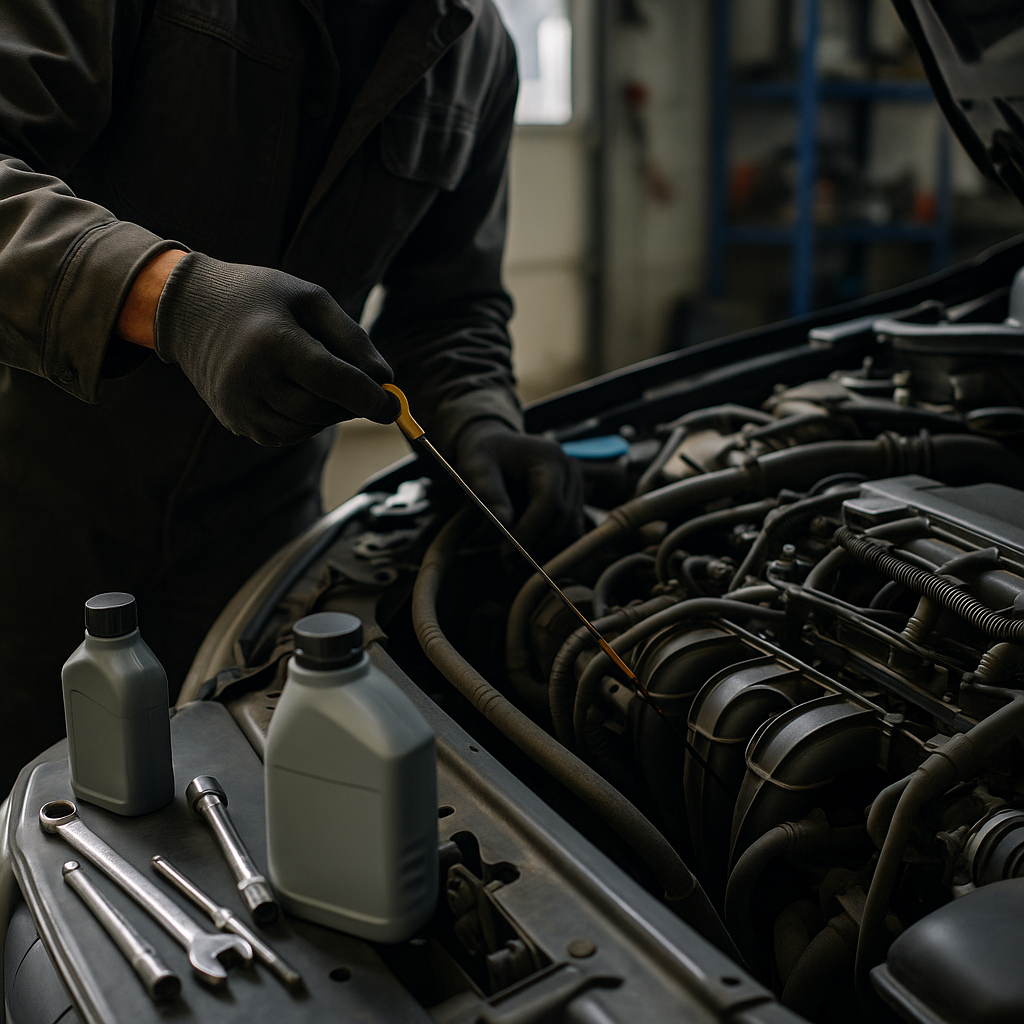
The Importance of Engine Oil Changes
Engine oil plays a crucial role in keeping your vehicle running smoothly. It lubricates engine components, reduces friction, and helps to regulate temperature. In the UK, where driving conditions can vary significantly, understanding how often to change your engine oil is essential for maintaining your car's performance and longevity.
UK Driving Conditions and Their Impact
The UK is known for its diverse driving conditions, from congested urban areas to rural roads and motorways. These factors can influence how frequently you should change your engine oil. Key considerations include:
- Stop-and-go traffic: Frequent short trips in busy cities can cause the engine to work harder, leading to faster oil degradation.
- Weather conditions: Cold winters can thicken oil, while hot summers can cause it to break down more quickly.
- Road conditions: Driving on poorly maintained roads can increase engine strain, affecting oil performance.
Manufacturer Recommendations
Your vehicle's manufacturer provides specific guidelines for oil change intervals, typically found in the owner's handbook. Most modern cars recommend an oil change every 5,000 to 10,000 miles or every 6 to 12 months, whichever comes first. However, this can vary based on:
- Type of oil used (synthetic vs. conventional)
- Driving habits (frequent short trips vs. long-distance driving)
- Vehicle age and condition
Signs Your Oil Needs Changing
Being proactive about your engine oil is vital. Here are some symptoms that indicate it might be time for a change:
- Oil looks dark and gritty when checked on the dipstick.
- Engine warning light illuminates on the dashboard.
- You notice unusual engine noise or knocking sounds.
Regularly checking your oil level and condition can help prevent more severe engine issues down the line.
Seasonal Considerations
The UK experiences a range of weather conditions that can affect your engine oil. During winter, oil can thicken, making it less effective at lubricating the engine. In summer, high temperatures can cause oil to break down faster. Consider these tips:
- In colder months, consider using a lower viscosity oil for better flow.
- In warmer months, ensure your oil is suited for high temperatures.
Cost Considerations for Oil Changes
- £30 to £60 for a basic oil change at a garage.
- £60 to £100 for synthetic oil changes or services that include oil filter replacement.
Keep in mind that while DIY oil changes can save money, they also require proper disposal of used oil and filters.
When to Book a Mechanic
If you notice any of the symptoms mentioned above, or if your car is due for a change based on the manufacturer's recommendations, it's time to book a mechanic. Additionally, consider scheduling an appointment if:
- Your engine oil appears milky or foamy, indicating possible coolant contamination.
- You hear unusual noises from the engine that persist after an oil change.
- You experience a drop in fuel efficiency or performance.
Regular maintenance, including oil changes, is essential for your car's roadworthiness, especially as you approach your annual MOT. Ensuring your engine oil is in good condition can help avoid costly repairs and keep your vehicle compliant with DVSA standards.
Conclusion
In summary, changing your engine oil regularly is critical for optimal vehicle performance, especially in the variable driving conditions of the UK. By adhering to manufacturer guidelines, being mindful of your driving habits, and keeping an eye out for warning signs, you can maintain your engine's health and prolong its lifespan.
UK ownership context
Use your owner's handbook and service schedule as the starting point, then adapt the timing to UK stop-start traffic, colder months and the mileage your car actually covers.
For many drivers, the most useful benchmark is not a generic internet interval but the manufacturer schedule, recent MOT advisories and the pattern of local driving the vehicle sees each week.
Useful next steps with Motoryst
Use the tools below to turn this advice into a practical next step.
- Store and organise your service history
- Run a vehicle history check before buying
- Compare warranty cover options
- Estimate current vehicle value
Useful UK references
- DVSA and GOV.UK guidance on MOT preparation
- Check previous MOT advisories and failures
- Use the vehicle owner's handbook and manufacturer service schedule for model-specific intervals, fluids and warning-light guidance.